CALL NOW 1 (877) 590-ZOOM
PRESIDENTS DAY SALES EVENT CALL AND SAVE $450 OFF ANY NEW PLAN
Search Results
562 results found with an empty search
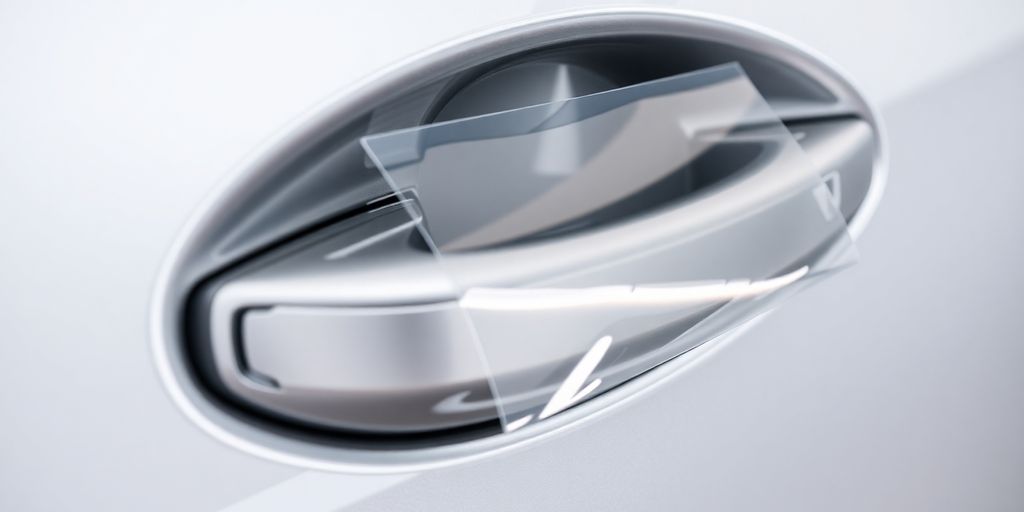
- Guard Your Ride: The Ultimate Guide to Car Door Handle Protection
So, you're thinking about giving your car a little refresh? Maybe you've looked at spoilers or new wheels, but have you considered your door handles? It might sound minor, but adding car door handle protection can really change the look of your ride and keep those handles from getting beat up. It's a simple upgrade that adds a bit of flair and stops everyday wear and tear. Let's talk about how to get your car looking sharp and protected, starting with those handles. Key Takeaways Car door handle protection adds a stylish touch and defends against scratches and fading. Stainless steel covers offer a shiny look that matches other chrome accents on your car. Choosing covers made specifically for your car's make and model is important for a good fit. Installation is usually straightforward and can be done at home with basic tools and cleaning supplies. Proper cleaning and care will keep your door handle protection looking good and sticking well for a long time. Enhancing Your Vehicle's Aesthetics with Chrome Covers Your car's exterior is a big part of its overall look, and sometimes, the little details make the biggest difference. Door handle covers, especially the shiny chrome kind, can really change how your ride presents itself. They're not just about looking good, though; they add a touch of class that can make even a standard sedan feel a bit more upscale. It’s like putting on a nice watch – it just finishes the look. The Allure of Chrome: A Style Upgrade Chrome covers bring a mirror-like shine to your door handles. This bright finish can really catch the eye and give your vehicle a more premium feel. Think of it as adding a bit of jewelry to your car. It’s a simple change, but the visual impact is pretty significant. This subtle addition can make your car stand out in a parking lot. Complementing Existing Exterior Accents If your car already has some chrome bits – maybe around the windows, on the grille, or even the badges – chrome door handle covers are a natural fit. They tie everything together, creating a consistent and polished look across the entire vehicle. It makes the design feel more intentional and complete. It’s all about making sure the new parts work well with what’s already there. Boosting Resale Value Through Style When it comes time to sell your car, its appearance matters. A vehicle that looks well-cared-for and has a bit of extra style can fetch a better price. Chrome door handle covers, being a relatively inexpensive upgrade that adds visual appeal, can contribute positively to your car's resale value. It shows you’ve paid attention to the details, which buyers often notice and appreciate. Superior Protection Against Daily Wear and Tear Your car's door handles might seem small, but they take a beating every single day. Think about it: keys, rings, fingernails, even just the grit from your hands can leave their mark. That's where protective covers really shine. They act like a shield, keeping your factory handles looking fresh. Defense Against Scratches and Abrasions This is probably the most obvious benefit. Door handle covers are your first line of defense against everyday scratches and scuffs. Whether it's a stray key, a ring on your finger, or even just the dirt and grime that gets trapped when you grab the handle, these covers take the brunt of it. They’re designed to be tougher than your paint, preventing those annoying little marks that can really add up over time. It’s like putting a screen protector on your phone, but for your car’s handles. Shielding from UV Rays and Fading Sunlight is relentless. Over time, constant exposure to UV rays can really do a number on your car's exterior, including those door handles. They can start to look dull, faded, or even develop small cracks. Protective covers, especially those made from materials with UV inhibitors, help block these damaging rays. This means your handles will maintain their original look for much longer, resisting that sun-baked appearance. You can even find clear protective films, like 3M Door Edge Protection Film , that offer this kind of defense without changing the look. Corrosion Resistance for Longevity Cars deal with a lot more than just sun. Rain, snow, road salt in the winter, and general moisture can all lead to corrosion, especially on metal parts. While many modern car handles have decent coatings, they aren't always invincible. Adding a layer of protection, particularly with materials like stainless steel, provides an extra barrier against rust and corrosion. This is super important if you live in an area with harsh weather. It helps your handles stay looking good and prevents the metal underneath from degrading over the years. Choosing the Right Car Door Handle Protection When you're looking to add a bit of flair and protection to your car, door handle covers are a pretty neat option. But not all covers are made the same, and picking the right ones for your specific ride can feel a little overwhelming at first. It’s not just about grabbing the first shiny set you see; you’ve got to think about a few things to make sure they look good and actually do their job. Understanding Material Options Most door handle covers you'll find are made from either plastic or stainless steel. Plastic ones are usually cheaper, which is nice for the wallet. They can come in different finishes, like chrome-look or even carbon fiber patterns. However, plastic can sometimes feel a bit less sturdy and might not hold up as well against harsh weather or minor impacts over time. Stainless steel, on the other hand, is generally more durable. It’s naturally resistant to rust and corrosion, which is a big plus if you live somewhere with a lot of rain or snow. Plus, that real chrome finish often looks a bit more premium and can really make your car pop. The material you choose will really affect how long they last and how they look after a few years. Selecting Vehicle-Specific Fitments This is super important. You can find universal covers, but they often don't fit quite right. You might end up with gaps or covers that don't sit flush, which looks a bit sloppy and doesn't offer the best protection. It’s way better to find covers that are made specifically for your car’s year, make, and model. Manufacturers design these to match the exact shape of your door handles. This means a cleaner look and better adhesion. When you're shopping, always double-check that the product listing clearly states it’s compatible with your vehicle. Sometimes, even within the same model year, there can be slight differences, so being precise is key. Considering Keyless Entry and Keyhole Needs Modern cars often have keyless entry systems with sensors built into the door handles. If your car has this, you need to make sure the covers you buy have the correct cutouts for these sensors. A cover that blocks a sensor will stop your keyless entry from working, which is a real pain. Similarly, if your car still has a traditional keyhole on the door handle, you’ll need covers that either have a specific cutout for it or are designed to work around it. Always check the product description to see if it mentions compatibility with keyless entry or if it has a keyhole provision. Getting this wrong means the covers won't work for your car, no matter how nice they look. Picking the right covers means looking at what they're made of, making sure they're made for your car, and checking that they won't mess with your car's tech like keyless entry. It might take a little extra time to find the perfect set, but it's worth it for a clean install and a great look. DIY Installation: A Straightforward Process Putting on new door handle covers yourself is totally doable. Most sets are made to stick right on, no fancy tools or drilling needed. It’s a pretty simple way to change up your car’s look and give those handles some extra protection. Just take your time and follow a few basic steps, and you’ll have them looking sharp in no time. Essential Tools and Materials for Installation Before you start, gather up what you’ll need. Having everything ready makes the process go much smoother. You won't need a whole workshop, just a few common items. Handle cover set: Make sure you have the right set for your car's make and model. Microfiber cloths: Grab a couple. You'll use them for cleaning and drying. Rubbing alcohol: This is key for getting the door handles really clean so the adhesive sticks well. Adhesive promoter (optional): Some kits recommend this for a stronger bond. Check your cover's instructions. Gloves: Good to wear to keep your hands clean and avoid leaving fingerprints on the handles or covers. Hair dryer or heat gun (optional): A little warmth can help the adhesive stick better, especially in cooler weather. Surface Preparation for Optimal Adhesion This is probably the most important part. If you don't clean the handles properly, those new covers might not stick like they should. Seriously, don't skip this step! Wash: Start by washing the door handles with some car soap and water. Get rid of any obvious dirt or grime. Dry: Use a clean microfiber cloth to dry the handles completely. Make sure there’s no water left. Clean with Alcohol: Now, take another clean microfiber cloth and dampen it with rubbing alcohol. Wipe down the entire area where the cover will go. This removes any leftover oils, wax, or residue that could stop the adhesive from sticking. Let it air dry for a minute. Pro Tip: Always test fit the covers before you apply any adhesive. Just place them on the handles without peeling off the backing. This way, you can see exactly how they'll sit and make sure they look right. It saves a lot of hassle if you realize something isn't aligned perfectly before it's stuck on for good. You can find more tips on fitting your specific car door handle replacement here. Step-by-Step Application Guide Once the handles are prepped and you've done a test fit, it's time to stick them on. It’s pretty straightforward. Peel and Stick: Carefully peel the backing off the adhesive on the back of one cover. Try not to touch the sticky part too much. Align: Line up the cover with the door handle. Make sure it's centered and the edges match up nicely. Press Firmly: Once it's in the right spot, press down firmly on the cover. Hold it in place for about 30 to 60 seconds. This helps the adhesive bond securely to the handle. Repeat: Do the same for all the other door handles. Cure Time: It’s best to avoid washing your car or using the handles heavily for at least 24 to 48 hours. This gives the adhesive enough time to fully cure and create a strong, lasting bond. Just be patient! Ensuring Long-Term Durability and Shine So, you've got these shiny new door handle covers on your ride. Awesome! But how do you keep them looking like you just installed them, instead of like they've been through a war? It’s not rocket science, but a little care goes a long way. Proper Cleaning Techniques for Chrome First off, ditch the harsh stuff. You know, those industrial-strength cleaners that can strip paint off a car? Yeah, don't use those. For your chrome covers, a simple wash with mild car soap and water is usually all you need. Grab a soft microfiber cloth – this is key to avoiding tiny scratches that build up over time. If you've got some stubborn grime, a little diluted rubbing alcohol can help, but always test it on a small, hidden spot first. Here’s a quick rundown: Use a microfiber wash mitt or soft cloth. Stick to pH-neutral car wash soap. Rinse thoroughly with clean water. Dry immediately with another clean microfiber towel. Avoid automatic car washes with those big, abrasive brushes. They can do more harm than good to your new covers and your car's paint. Maintaining Strong Adhesion Over Time Remember how you stuck them on? That adhesive is pretty strong, but it's not invincible. Over time, especially with temperature changes and vibrations from driving, it can weaken a bit. Periodically, maybe every few months, give the edges a gentle press. If you notice any lifting, even a tiny bit, it’s better to address it sooner rather than later. You might need to reapply a bit of automotive-grade adhesive, but make sure to clean the area first. Advanced Care for Lasting Brilliance Want to keep that mirror finish? Think of it like waxing your car. Applying a good quality automotive wax or a ceramic sealant specifically designed for chrome or metal can add an extra layer of protection. This helps repel water, dirt, and even UV rays, which can dull the shine over time. It’s not something you need to do every wash, maybe just once or twice a year, or whenever you give your car a good detailing. It really makes a difference in keeping them looking sharp and new. Troubleshooting Common Installation Issues So, you've got your shiny new door handle covers, ready to give your car a facelift. But what happens when things don't go exactly as planned during installation? Don't sweat it. Most issues are pretty common and, thankfully, fixable. Let's walk through some of the bumps you might hit and how to smooth them out. Addressing Loose Covers and Reapplication Sometimes, a cover just doesn't feel quite secure after you've put it on. This usually comes down to a couple of things. First, check the adhesion promoter you used. Did you apply it evenly? Was the surface completely clean and dry before you started? If the cover feels loose, it might be that the adhesive didn't get a good grip. You might need to carefully remove the cover – sometimes a little gentle prying with a plastic trim tool helps – and then clean off the old adhesive. Reapply the promoter to both the handle and the inside of the cover, let it tack up for the recommended time, and then press it firmly into place. Holding it there for a minute or two can make a big difference. Resolving Adhesion Problems Adhesion is key, right? If your covers are peeling or just not sticking well, it's usually a surface prep issue. Make sure you're using an automotive-grade cleaner or isopropyl alcohol to wipe down the door handle area. Any dirt, wax, or even fingerprints can stop the adhesive from bonding properly. You want a clean, smooth surface. Also, consider the temperature. Applying these covers when it's too cold or too hot can affect the adhesive's performance. Aim for moderate temperatures, ideally between 60-80°F (15-27°C), for the best results. If you're still having trouble, a stronger automotive adhesive tape, like 3M VHB tape, can be a good backup, but make sure it's compatible with your cover material. Managing Gaps and Minor Imperfections Occasionally, you might notice small gaps or slight misalignments. This is more common with universal fit covers than those made specifically for your car model. If the gap is really small, like a millimeter or two, it might just be something you have to live with. However, if it's more noticeable, you could try gently heating the cover with a heat gun on a low setting (be careful not to melt it!) and then pressing it into place. This can sometimes help it conform better to the handle's shape. For very minor imperfections or slight gaps, a high-quality automotive black silicone sealant or a touch-up paint pen in a matching color can sometimes be used sparingly to fill them in, but this is more of a cosmetic fix and should be done with care. Wrapping It Up So, we've gone over how to put these handle covers on and keep them looking good. It's really not that hard, even if you're not super handy. Just a little cleaning, some careful placement, and a bit of patience, and your car's door handles will look sharper and be protected from all the everyday bumps and scratches. Think of it as a small upgrade that makes a noticeable difference in how your car looks. Plus, keeping them clean is pretty simple too. It’s a good way to give your ride a little refresh without a lot of fuss. Frequently Asked Questions How do chrome door handle covers make my car look better? Chrome door handle covers look really cool and can make your car stand out. They give your car a fancy, shiny finish that matches other shiny parts on your car, like the grille or window trim. Plus, a car that looks good is often worth more when you decide to sell it. What kind of protection do these covers offer? These covers act like a shield for your car's original door handles. They stop everyday things like keys, rings, or even fingernails from scratching up the paint. They also help protect the handles from fading and cracking caused by too much sun, and the stainless steel material helps prevent rust. How do I pick the right covers for my car? It's best to get covers made specifically for your car's make, model, and year. This way, they'll fit perfectly without any awkward gaps. You should also check if the covers are designed for cars with keyless entry or if they have a spot for a keyhole, depending on your car. Can I put these covers on my car myself? Yes, you can usually install them yourself! You'll need a clean cloth, some rubbing alcohol to prep the surface, and maybe a hairdryer to help the sticky tape stick better. Just clean the handles really well, stick the covers on, and press them firmly. It's a pretty simple process. How should I clean and take care of the covers after installing them? To keep them looking their best, just wash your car with mild soap and water using a soft cloth. Avoid using rough sponges or strong cleaning chemicals. You can also use a special chrome polish now and then to keep them extra shiny and protected. What if my door handle cover doesn't stick properly or looks a bit off? If a cover feels loose, try pressing it down again firmly. If it won't stick well, clean the area again with rubbing alcohol and maybe use a stronger adhesive or tape. Make sure there are no gaps by carefully lining up the cover before sticking it down.
- Unlocking the Secrets: How to Make the Most Out of Your Warranty Coverage
Understanding your warranty coverage is crucial in ensuring that you make the most of your investments. Whether you're dealing with a vehicle manufacturers warranty or exploring options for an extended warranty, knowing the ins and outs can save you both time and money. This comprehensive guide will equip you with the necessary insights on how to maximize your car warranty and leverage automotive warranty tools effectively. Let’s dive in! 1. Understanding Your Warranty Before you can make the most of your vehicle’s warranty, it’s essential to understand what it entails. Warranties typically come in two forms: the vehicle manufacturers warranty and additional car protection plans like extended warranties. Each type of warranty has different coverage features, terms, and conditions. Vehicle Manufacturers Warranty: This is the warranty provided directly by the car manufacturer. It usually covers defects in materials and workmanship for a specific period, typically ranging from 3 to 5 years or a set mileage limit. Extended Warranty: This is an additional warranty that you can purchase once your manufacturer’s warranty expires. It offers extra coverage beyond the standard warranty period. 2. Know Your Coverage Details Read through your warranty documentation carefully. Understand what is covered, what is not covered, the duration of the warranty, and the process for making claims. Here are the key areas to pay attention to: Components Covered: Make a list of the specific parts and systems included under your warranty. Labor Costs: Know whether labor costs for repairs are covered, and if so, to what extent. Limitations: Be aware of any limitations, such as exclusions for specific types of damage or requirements for regular maintenance. 3. Keep Your Maintenance Up to Date To take full advantage of your warranty, keeping your vehicle in optimal condition is critical. Regular maintenance is often a requirement of both the vehicle manufacturers warranty and extended warranties. Failure to adhere to these maintenance guidelines could void your coverage. Here’s how to stay on top of maintenance: Schedule Routine Services: Follow the manufacturer’s recommended service schedule. This often includes oil changes, tire rotations, and brake inspections. Document Everything: Keep a detailed record of all maintenance services performed on your vehicle. This documentation will be invaluable if you ever need to utilize your warranty. 4. Utilize Automotive Warranty Tools Harness the power of technology to keep your car warranty in top shape. Automotive warranty tools can assist you in tracking your warranty details and service records. Here are a few recommended tools: Warranty Tracking Apps: Use mobile apps that remind you about upcoming services and allow you to store your warranty and service records digitally. Online Warranty Dashboards: Some manufacturers provide online platforms where you can easily access your warranty information and track any claims. 5. Know When to Use Your Warranty Understanding the right time to utilize your warranty is essential to maximizing its benefits. You should be aware of situations where filing a claim is appropriate, such as: Manufacturing Defects: If you experience a problem that is clearly related to a manufacturing defect, initiate a warranty claim. Unexpected Breakdowns: If a covered component fails unexpectedly, do not hesitate to use your warranty. 6. Choose the Right Extended Warranty If your manufacturer’s warranty is nearing its end, you might want to consider an extended warranty. Here’s what to keep in mind when looking for the right plan: Compare Coverage Options: Not all extended warranties are created equal. Compare what various plans cover and select one that meets your specific needs. Understand the Fine Print: Read the terms and conditions carefully, including any limitations or exclusions. 7. Get to Know Your Rights If your warranty claim is denied, it’s important to understand your consumer rights. Familiarizing yourself with these rights can empower you to advocate effectively for your claim: Review Denial Reasons: If your claim is denied, carefully review the reasons given. This will help you prepare your counter-arguments. Contact Customer Service: Don’t hesitate to reach out to customer service for clarification and assistance. 8. Making Smart Restoration Decisions If your vehicle requires repairs under warranty, choosing where to have the work done can affect your coverage. Here are a few tips: Authorized Dealerships: Whenever possible, have repairs performed at authorized dealerships, as they are more likely to maintain your warranty. Reputable Auto Shops: If you choose an independent shop, ensure they are reputable and understand your warranty requirements. 9. Stay Proactive with Warranty Renewals As your warranty coverage period comes to an end, consider whether renewing or purchasing a new car protection plan is the right choice for you. Proactive renewal can protect you from unforeseen repair expenses. Research Before Renewing: Don’t settle for the first offer. Look into multiple extended warranty benefits to find the best deal! Evaluate Your Driving Habits: If you drive frequently or take long trips, extended protection might be prudent. 10. The Importance of Advocacy Your pursuit of warranty benefits doesn’t just stop at development; becoming your own advocate is key. Here are steps you can take: Document Everything: Always keep a detailed account of interactions you have regarding your warranty, including dates, times, and names of representatives. Join Online Forums: Participate in online forums related to your vehicle and warranty experiences. They can provide insights and support when needed. Turn Your Warranty into a Trusty Sidekick By mastering the art of navigating your car warranty, you’re not just ensuring that you abide by the terms; you’re also setting yourself up for success in the long run. Whether you’re utilizing automotive warranty tools or deciding on the best car protection plans, being informed will ultimately save you countless dollars and headaches. Remember, a savvy vehicle owner is a protected one! FAQs What is the difference between a vehicle manufacturer's warranty and an extended warranty? A vehicle manufacturer's warranty is provided directly by the car manufacturer and covers defects in materials and workmanship for a specific period, usually between 3 to 5 years. An extended warranty is an additional warranty that can be purchased once the manufacturer's warranty expires, offering extra coverage beyond the standard period. How can I maximize my warranty coverage? To maximize your warranty coverage, understand your warranty details, keep up with routine maintenance, document all services performed, and use automotive warranty tools to track your warranty information and service records. When should I use my car warranty? You should use your car warranty when you experience manufacturing defects or when a covered component fails unexpectedly. What should I consider when choosing an extended warranty? When choosing an extended warranty, compare coverage options from various plans, understand the fine print, and review any limitations or exclusions to ensure the warranty meets your specific needs. What should I do if my warranty claim is denied? If your warranty claim is denied, review the denial reasons carefully, contact customer service for clarification, and prepare counter-arguments to advocate for your claim.
- Essential Car Underbody Rust Protection: Undercoating vs. Rustproofing Explained
Keeping your car looking good and running well means paying attention to all parts of it, even the bits you don't normally see. The underside of your car takes a beating from the road, dealing with salt, moisture, and all sorts of gunk. This can lead to rust, which nobody wants. So, what's the deal with car underbody rust protection? We're going to break down undercoating and rustproofing, look at the different types, and figure out what makes the most sense for your ride. Key Takeaways Rust can seriously damage your car's frame and components, making protection important. Undercoating covers the whole underside for a barrier against road elements, while rustproofing targets specific rust-prone spots with wax. There are various undercoating types, like rubberized, polyurethane, wax-based, and oil-based, each with its own pros and cons. Professional rustproofing can get into tight spots and protect electrical parts, while DIY options exist but might need more frequent attention. Deciding on undercoating or rustproofing depends on your car's age, where you live, and how long you plan to keep the vehicle. Understanding Car Underbody Rust Protection When you think about keeping your car in good shape, you probably focus on the paint job, the interior, and maybe the engine. But what about the stuff underneath? The undercarriage of your car is constantly battling the elements, and it's easy to forget about it until something goes wrong. This is where rust protection comes in, and it's a bigger deal than many people realize. The Damaging Effects of Rust on Vehicles Rust isn't just an eyesore; it's a serious problem for your car's health. It starts small, maybe a little orange spot on the metal, but it can spread like wildfire. When rust forms, it eats away at the metal, weakening it. This can lead to: Structural Weakness: Key parts of your car's frame and body can become compromised, making it unsafe to drive. Think about suspension components or even the chassis itself. Component Failure: Rust can get into moving parts, electrical connections, and brake lines, causing them to malfunction or fail completely. Reduced Resale Value: A rusty car is worth significantly less than a clean one, and it can be harder to sell. Costly Repairs: Fixing rust damage, especially if it's widespread, can be very expensive. Sometimes, it's more cost-effective to replace the vehicle. It's a real shame to see a car fall apart because of something as preventable as rust. Road salt, moisture, and even just dirt can all contribute to this metal decay. Why Underbody Protection is Crucial Protecting the underside of your car is like giving it a shield against the harsh realities of the road. The undercarriage is constantly bombarded by: Road Salt and Chemicals: Especially in areas with snowy winters, salt used to de-ice roads is incredibly corrosive. Moisture: Rain, puddles, and humidity can all get trapped in nooks and crannies, providing the perfect environment for rust to start. Dirt and Debris: Grit, mud, and small stones kicked up by your tires can scratch paint and protective coatings, exposing bare metal. Applying a protective layer, whether it's an undercoating or rustproofing treatment, creates a barrier. This barrier stops moisture, salt, and other corrosive agents from reaching the metal, significantly slowing down or preventing rust formation. It's a proactive step that can save you a lot of headaches and money down the line. Common Misconceptions About Modern Car Rust Resistance There's a common idea floating around that modern cars don't really need rust protection because manufacturers build them better now. While it's true that carmakers have improved their rust-fighting techniques over the years, it's not a magic bullet. Here's why: Materials Used: While some parts might be aluminum or plastic, many critical structural components are still made of steel, which is prone to rust. Factory Protection Varies: The level of factory rust protection can differ greatly between manufacturers and even between different models from the same company. Environmental Factors: Even the best factory protection can be overwhelmed by extreme conditions, like heavy road salt use in certain climates. We've seen plenty of newer vehicles experience rust issues, sometimes leading to recalls. So, relying solely on factory protection might not be enough, especially if you live in a tough environment or plan to keep your car for a long time. Distinguishing Between Undercoating and Rustproofing It's easy to get the terms "undercoating" and "rustproofing" mixed up, and honestly, a lot of people do. They both aim to protect your car's underside, but they go about it in slightly different ways and focus on different things. Think of it like this: one is like a shield, and the other is like a targeted defense system. What is Undercoating? Undercoating is basically a protective layer sprayed onto the entire underside of your vehicle. It's like giving your car's belly a thick, durable coat. The main goal here is to create a barrier between the metal parts and the harsh elements they encounter daily. This includes road salt, moisture, dirt, and small rocks that get kicked up. Most cars actually come with some form of factory undercoating, but it might not be enough, especially if you live in an area with rough winters or drive on unpaved roads a lot. The materials used can vary, from rubberized compounds to asphalt-based ones, each offering different levels of protection and durability. What is Rustproofing? Rustproofing, on the other hand, is more about getting into the nooks and crannies where rust loves to hide. It typically involves applying a protective wax or oil-based substance that can seep into seams, joints, and inside body panels. These areas are often where moisture gets trapped, leading to rust from the inside out. Rustproofing aims to displace any existing moisture and prevent new moisture from getting in. It's a more targeted approach, focusing on the specific areas that are most vulnerable to corrosion. Many professionals will spray this into areas like door panels, rocker panels, and frame rails. Key Differences in Application and Purpose The main difference really comes down to coverage and the type of protection offered. Undercoating provides a broad, physical barrier across the entire undercarriage. It's great for protecting against physical impacts from road debris and creating a general shield against moisture. Rustproofing, however, is more about penetration and sealing. It gets into those tight spots that undercoating might miss, offering a deeper level of protection against the insidious creep of rust. You can think of undercoating as the first line of defense, and rustproofing as the specialized unit that deals with the more hidden threats. Many people find that combining both methods offers the best overall protection for their vehicle's underbody, giving you peace of mind on the road. If you're looking to keep your car in good shape for years to come, considering both treatments is a smart move. You can find more details on protecting your vehicle at Synchrony Car Care . Here's a quick rundown: Undercoating: Covers the entire underside with a thick barrier. Primarily protects against road debris and general moisture. Rustproofing: Penetrates seams and vulnerable areas with a waxy or oily substance. Primarily targets trapped moisture and prevents internal corrosion. While modern cars have better factory protection than older models, they are still susceptible to rust, especially in harsh climates. Ignoring the underbody can lead to costly repairs down the line. Exploring Different Types of Undercoating When you're looking at ways to keep your car's underside from turning into a rusty mess, undercoating is a big player. It's basically a protective shield you spray onto the bottom of your vehicle. Think of it as a barrier between all that nasty road salt, moisture, and grime, and your car's metal parts. Since the undercarriage is constantly getting beat up by the elements, this layer helps stop rust before it even starts. While modern cars are built tougher against rust than they used to be, the undercarriage is still the most exposed part. Protecting it can save you money on repairs down the line and help your car hold its value. There are a few different kinds of undercoating out there, each with its own pros and cons. It's good to know what you're getting into before you pick one. Rubberized Undercoating: Benefits and Drawbacks This is probably the most common type you'll find. When it dries, it gives you a soft, rubbery finish. It's pretty long-lasting and also helps cut down on road noise, which is a nice bonus. Plus, it's designed so that road debris can bounce off it without causing damage. It's also safe to use on things like wheel wells and body panels, and it can even be painted over if you want a cleaner look. One of the best parts is that it's generally safe for new, rust-free surfaces. However, applying it can be a bit tricky, so you might end up paying a professional to do it right. It's also best suited for cars that don't have any rust already, and you'll want to get it checked every couple of years to make sure it's still doing its job. Polyurethane Sealant for Enhanced Protection Polyurethane sealant is applied like a paint, usually sprayed from canisters. It dries to a finish that looks a lot like paint. What's cool about this stuff is that it can seep into tiny cracks and crevices, pushing out any moisture or dirt that's already there. This makes it really good at fighting off corrosion. The downside is that it requires a good amount of prep work. You often have to sand down the surface and apply a primer before you can even start spraying the sealant, which can take a while. Wax or Paraffin-Based Undercoats These types of undercoats never fully dry out. Instead, they stay a bit moist, creating a barrier over exposed metal. They're usually pretty inexpensive and can be a decent option if you're looking to do it yourself. They also have the ability to seep into cracks, which helps fight rust. The catch is that because they don't dry, they can sometimes drip or get rubbed off, especially if you drive in rough conditions. You'll likely need to reapply them at least once a year to keep up the protection. Oil-Based and Asphalt-Based Undercoating Options Oil-based undercoating is pretty versatile. You can spray it onto surfaces that already have some rust, and it'll penetrate that rust to protect the healthy metal underneath. It's also good at getting into the inner cavities of your car's body for more complete protection. You can even do this one yourself. The main drawback is that it needs to be reapplied every year. Asphalt-based undercoating is a heavier-duty option, often used on trucks and heavy machinery. It offers really solid protection and can also help reduce road noise. However, it usually needs professional application, can't be painted over, takes longer to dry, and is generally only suitable for the undercarriage itself. The Advantages of Professional Rustproofing When you think about protecting your car's underside, going the professional route for rustproofing can really make a difference. It's not just about slapping on a coating; it's about a targeted approach that professionals use to really get into the nooks and crannies where rust loves to hide. They know exactly where the weak spots are on your specific make and model. Targeting Rust-Prone Areas with Protective Wax Professionals often use specialized wax-based treatments. These aren't just random sprays; they're designed to creep into every seam, weld joint, and crevice. Think of it like a very thin, flexible shield that gets into places you'd never reach with a DIY can. This wax can actually migrate into tight spots, displacing moisture and air, which are the main ingredients for rust to start. It's a smart way to protect those areas that are constantly exposed to road salt and moisture, especially after a long winter. Penetrating Seams to Seal Out Moisture One of the biggest advantages of professional rustproofing is its ability to penetrate. Many modern vehicles have seams and folds in the metal where water and salt can get trapped. A professional application uses products that are formulated to flow into these areas, pushing out any trapped moisture and then hardening into a protective barrier. This is way more effective than just spraying over the top. It’s about getting inside the problem areas before they even become a problem. Protecting Electrical Systems and Components Beyond just the frame and body panels, rust can wreak havoc on your car's electrical system. Wires, connectors, and sensors are all vulnerable. Professional rustproofing services often include treatments that are safe for these sensitive components. They can apply protective coatings that shield electrical connections from corrosion, which can prevent a whole host of electrical gremlins down the road. This is something many DIYers might overlook, but it's a big deal for the long-term health of your car's electronics. When to Consider Undercoating and Rustproofing So, when should you actually think about getting some kind of rust protection or undercoating for your car? It really comes down to a few things, mostly where you live and what kind of car you have. Assessing Your Vehicle's Needs First off, think about your car. Is it brand new, or has it seen a few winters already? Newer cars often come with better rust protection built-in from the factory, using materials that don't rust as easily as older steel. Some folks say you might not need anything extra for the first five years or so. But if you've got an older car, especially one that's already showing a bit of surface rust, getting it treated can really help slow things down. Just remember, if there's already significant rust, you'll likely need to get that dealt with before applying any new coating. It's not really about covering up existing rust, but preventing new rust from starting. Climate and Environmental Factors This is a big one. If you live somewhere that gets a lot of snow and ice, you know about road salt. That stuff is brutal on car metal. The same goes for living near the coast where salty air can do a number on your car's underside. Even just driving on dirt roads a lot can kick up moisture and debris that can lead to rust over time. Basically, if your car is regularly exposed to things that make metal corrode, you should probably be looking into some kind of protection. The Value of Protecting Older Vehicles Older cars are often made of materials that are more prone to rust. Plus, they've probably already been exposed to years of road salt, moisture, and general wear and tear. Applying an undercoating or rustproofing treatment to an older vehicle can be a smart move to extend its life and keep it from deteriorating further. It might not make it look brand new, but it can certainly help prevent those costly repairs down the road that come from rust eating through the frame or body panels. Considering Undercoating for New Cars For a brand new car, it's a bit more of a toss-up. As mentioned, manufacturers are pretty good at rust prevention these days. If you live in a mild climate and don't plan on keeping the car for a super long time, you might be okay skipping it. However, if you live in a harsh climate, drive a lot, or plan to keep the car for many years, adding a protective layer early on could be a good investment. It's like putting on sunscreen before you go out – better to prevent the damage before it happens. Cost and Longevity of Underbody Treatments So, you're thinking about protecting your car's undercarriage, which is a smart move. But how much is this going to set you back, and how long will it actually last? Let's break it down. Typical Costs for Undercoating Services The price for undercoating can really vary. If you go to a dealership, you might be looking at anywhere from $800 to over $1,000. That's quite a bit. If you choose a regular auto body shop, the cost usually drops to around $300. Doing it yourself, if you're feeling handy, can be the cheapest option, costing about $100 for a car and maybe $150 for a truck or SUV. Keep in mind, this is an expense you'll likely have to deal with more than once over the life of your vehicle, so it's good to budget for it. While it might seem like a lot upfront, think about how it could save you from paying for much bigger rust repairs down the road. It's a bit like preventative medicine for your car. How Long Does Undercoating Last? This is where things get a little fuzzy, as it depends on a few things. If you live somewhere with harsh winters, lots of snow, or near the ocean where salt is a big factor, you'll probably need to reapply undercoating every year. Road salt is particularly nasty stuff for metal. For those in milder climates, or if you don't drive your car much, some types of undercoating, like rubberized ones, can last for several years. It's not a one-and-done deal, unfortunately, but a good application can give you peace of mind for a good while. Reapplication Frequency and Considerations When should you think about reapplying? As mentioned, harsh climates mean more frequent attention. It's often recommended to get it done right before winter hits, to give your car the best defense against salt and ice. For longer-lasting treatments, like some polyurethane or wax-based options, you might get away with reapplying every couple of years, but you'll want to get it checked periodically. It's always a good idea to inspect the undercoating every year or two to make sure it's still intact and doing its job. If you're looking for a solid way to protect your investment, considering professional rustproofing alongside undercoating might be the way to go, as it can offer a more complete shield against the elements. You can find more information on whether rustproofing is a worthwhile investment for your vehicle at this guide . Ultimately, the longevity of your undercoating is tied to the type of product used, the quality of the application, and the environmental conditions your vehicle faces regularly. Regular checks and timely reapplication are key to maximizing its protective benefits. Maximizing Your Car Underbody Rust Protection So, you've learned about undercoating and rustproofing separately, but how do you get the most out of these treatments for your car? It's not always an either/or situation. In fact, combining both can offer a really robust defense against the elements. Think of it like layering your clothes for a cold day – each layer adds to the overall warmth and protection. The Benefits of Combining Undercoating and Rustproofing When you combine these treatments, you're essentially creating a multi-layered shield. The undercoating provides a thick, durable barrier on the main underside of your vehicle, protecting against road debris, impacts, and general wear. Then, the rustproofing, often a waxy or oily substance, can get into all those tiny nooks, crannies, and seams that the undercoating might not fully seal. This dual approach means moisture and salt have a much harder time finding a place to start a rust party. It's about covering all your bases, from the broad surfaces to the most vulnerable joints. This comprehensive approach significantly extends your vehicle's lifespan and preserves its resale value. DIY vs. Professional Application Now, you might be wondering if you can just grab a can from the auto parts store and do it yourself. For minor touch-ups or very specific areas, a DIY approach can work. However, getting a truly effective and long-lasting result, especially with the combined treatments, is usually best left to the pros. Professionals have the specialized equipment to apply the coatings evenly and thoroughly, reaching every spot that needs protection. They also know which products are best suited for different vehicle types and climates. Plus, they can often provide warranties on their work, which you won't get from a spray can. For a truly effective rust prevention strategy, consider professional services for your car's rust proofing . Ongoing Maintenance for Long-Term Protection Even the best undercoating and rustproofing treatments aren't a 'set it and forget it' kind of deal. Regular checks are important. You'll want to inspect the underbody periodically, maybe once a year, to look for any signs of damage to the coating, like chips or peeling. If you live in an area with heavy road salt use or experience harsh winters, more frequent inspections might be a good idea. Depending on the type of treatment and your driving conditions, reapplication might be necessary every few years to maintain that protective barrier. Keeping up with these simple checks and maintenance steps will make sure your investment in rust protection pays off for years to come. Wrapping Up: Protecting Your Car's Undercarriage So, we've talked about how rust can really do a number on your car, especially if you live where they use a lot of salt on the roads. Both undercoating and rustproofing can help keep that nasty corrosion away. Undercoating gives the whole bottom of your car a shield, while rustproofing focuses on those spots that seem to catch rust easily. You don't have to pick just one, though. Doing both can give your car the best defense. Think of it like this: keeping your car's underside in good shape means it'll last longer and might even be worth more if you decide to sell it down the road. Plus, a well-protected car is just safer to drive. So, whether you're looking at a new ride or trying to keep your current one going strong, giving the undercarriage some attention is definitely a smart move. Frequently Asked Questions What's the main difference between undercoating and rustproofing? Think of rustproofing like a shield for specific spots on your car that tend to get rusty, like the edges of doors or the trunk. It uses a waxy stuff that keeps moisture and air away from those areas. Undercoating is like a big blanket sprayed on the whole bottom of your car. It covers everything underneath to protect it from rocks, salt, and wetness. How often do I need to get my car undercoated or rustproofed? It really depends on where you live and how you use your car. If you drive in areas with lots of snow and salt, or near the ocean, you'll need it more often, maybe every year. If you live in a dry place and don't drive much, it might last longer. Some types last longer than others, too. Can I get both undercoating and rustproofing done on my car? Yes, you can! Many people do both. Rustproofing takes care of the spots that rust easily, and undercoating protects the whole underside. Doing both gives your car the best defense against rust. Do new cars still need undercoating or rustproofing? While newer cars have better rust protection than older ones, they can still rust, especially in tough weather. Salt from roads in winter is a big culprit. So, even if your car is new, undercoating or rustproofing can add an extra layer of protection, especially if you live in a harsh climate. How much does undercoating and rustproofing typically cost? The cost can vary a lot. Getting it done at a dealership might be the most expensive, while an auto shop could be less. Doing it yourself with a kit is usually the cheapest option, but it can be tricky to get it right. Prices can range from around $100 for a DIY job to $1,000 or more at a dealership. What makes a car rust in the first place? Rust happens when metal, like the steel in your car, is exposed to water and air for too long. Things like road salt used in winter, salty ocean air, and even just dirt and moisture that gets trapped can speed up the rusting process. Small scratches or dents in the paint can also let rust start.
- Unlock Ultimate Protection: The Best Car Wax Choices for 2025
Keeping your car looking its best means protecting the paint. Think of wax as a shield against sun, rain, and all the gunk on the road. Without it, your car's finish can get dull and damaged over time. But with so many options out there, how do you pick the best car wax for protection? We looked at different types and popular brands to help you find what works for you. Key Takeaways For a quick shine and easy touch-ups, Meguiar's Quik Wax is a solid choice, especially for on-the-go use. Chemical Guys Butter Wet Wax stands out as a top liquid wax, offering a great shine that rivals traditional paste waxes but with easier application. Collinite 476s Paste Wax is a classic for a reason, providing that old-school waxing feel and durable protection. Turtle Wax Hybrid Graphene Paste Wax offers a modern twist on paste wax, making it easier to apply while still delivering a good shine and protection. Meguiar's Hybrid Ceramic Liquid Wax combines the ease of liquid application with the added benefits of ceramic protection, though it lacks a visual cue for drying. Carnauba Wax Carnauba wax is often called the gold standard, and for good reason. It comes from the leaves of Brazilian palm trees, and when it's processed, it gives your car's paint a really warm, deep shine. If you've got a dark-colored car, like black, blue, or red, carnauba really makes those colors pop and look incredibly rich. It also leaves the surface feeling slick, which helps water, dirt, and road grime just roll right off. This means fewer water spots and less washing between your main detailing sessions. However, because it's a natural product, carnauba wax doesn't bond to your paint the way synthetic options do. This means you'll likely need to reapply it more often, usually every six to eight weeks. If you enjoy the process of waxing your car by hand and want that show-quality, deep glow, carnauba is definitely a great choice. The extra effort is usually worth the beautiful finish it provides. Carnauba wax offers a distinct, warm gloss that many enthusiasts prefer, especially for darker paint colors. While it requires more frequent application than synthetic alternatives, the visual depth and slickness it imparts are often considered unmatched. Synthetic Wax Synthetic waxes, often called sealants, are engineered to provide a robust, long-lasting shield for your vehicle's paint. Unlike natural carnauba waxes that sit on top of the paint, synthetic formulas actually bond with the clear coat on a molecular level. This chemical bond creates a much more durable barrier that stands up better against harsh environmental elements like UV rays, acid rain, and road grime. The primary advantage of synthetic wax is its longevity. While carnauba might give you a few weeks to a couple of months of protection, a good synthetic sealant can easily last for six months or even longer with proper care. This means less frequent waxing and more time enjoying a protected, glossy finish. They're also known for their slickness and incredible shine, often described as a 'glassy' or 'wet' look. Here's a quick look at what makes them stand out: Durability: Bonds to paint for extended protection. Resistance: Offers superior defense against UV rays and contaminants. Shine: Produces a deep, high-gloss finish. Ease of Use: Many synthetic formulas are designed for simple application and removal. When you're looking for a shine that lasts and offers serious protection, synthetic waxes are definitely worth considering. They're a great option for those who want a 'set it and forget it' approach to car care, providing peace of mind and a consistently great look. For a quick touch-up or to add an extra layer of gloss, you might also check out Meguiar's Quik Wax . Paste Wax When you think of car waxing, paste wax is probably what comes to mind. It's the traditional choice, the one that feels like you're really doing some serious detailing. These waxes often give you that deep, glossy shine that's hard to beat. They usually have a thicker consistency, kind of like shoe polish, which means you might need to warm it up a bit before you start applying. This can take a little more effort than liquid or spray waxes, but many people feel the results are worth it. Applying paste wax usually involves working in small sections, maybe two-by-two feet at a time. You put it on, let it dry to a haze – that's your cue – and then buff it off with a clean microfiber cloth. It’s a process that requires a bit of elbow grease, but the payoff is a really slick finish and a protective layer that can last a good while, sometimes even through winter. Application: Apply in small sections, let it haze, then buff off. Consistency: Typically thicker, like shoe polish, may need warming. Results: Deep gloss, slick finish, good durability. Effort: Requires more physical work than liquid or spray options. Some paste waxes can be a bit messy, sometimes staining applicators or even your hands. It's not a deal-breaker, but it's something to keep in mind, maybe wear some gloves if that sort of thing bothers you. Liquid Wax Liquid wax really hits a sweet spot for many car owners. It's not as hands-on as paste wax, but it usually gives you more protection and shine than a spray. Think of it as the middle ground that works for most people. The real advantage of liquid wax is its ease of application combined with good results. It spreads out smoothly, and most formulas dry pretty quickly, usually within a few minutes. Buffing it off is generally straightforward, too, making it a solid choice whether you're a beginner or have been waxing cars for years. You get that nice, glossy finish without a ton of extra effort. Many liquid waxes today use synthetic polymers. These aren't your grandpa's waxes; they're designed to last longer and offer better protection against things like dirt, water, and the sun's rays. This means you don't have to wax as often, which is a big plus if you're busy. One thing to watch out for with some liquid waxes is that they don't always give you a clear sign when they're ready to be buffed off. Unlike older waxes that would turn hazy, some modern liquids just look dry. It's a good idea to apply them one panel at a time so you can keep track of what you've done. Applying liquid wax requires a bit of attention to detail. While it's easier than paste, you still want to make sure you're getting an even coat. Too thick in one spot and too thin in another can lead to uneven shine or protection. It’s all about that consistent layer. Here’s a quick look at what makes liquid wax a good option: Balanced Performance: Offers a good mix of shine, protection, and ease of use. Synthetic Formulas: Many contain polymers for longer-lasting durability. Quick Drying: Typically dries faster than paste waxes, speeding up the process. Effortless Buffing: Generally buffs off easily for a smooth finish. Spray Wax Spray wax is your go-to for those moments when your car needs a quick refresh between full waxing sessions. Think of it as a booster shot for your car's shine. It's super handy for adding a bit of slickness and making water bead up nicely, all in just a few minutes. A quick spray and wipe can bring back that just-detailed look, and it helps keep dust and water spots from sticking around. While it doesn't offer the same long-lasting protection as paste or liquid waxes, it's fantastic for topping up existing layers and keeping your car looking its best with minimal effort. It's the ultimate time-saver for maintaining that glossy finish. Spray waxes are generally: Convenient: Easy to apply and often don't require drying time before buffing. Quick: Perfect for touch-ups before a car show or after a wash. Enhancing: They boost the shine and slickness of your current wax or sealant. Spray wax is a must-have for quick, low-effort detailing sessions, especially if you want to maintain a freshly waxed appearance without a lot of fuss. Chemical Guys Butter Wet Wax When you're looking for a liquid wax that's a breeze to put on, Chemical Guys Butter Wet Wax is a solid choice. People say it goes on like butter, and while that might be a bit of an exaggeration, it really does spread nicely. It has this scent that just reminds you of being a kid, which is kind of cool. Applying it is pretty straightforward. You just use a clean microfiber cloth, spread it around, and it dries pretty fast, usually within minutes. After you give it a good buff with another microfiber, the shine you get is really impressive, right up there with some of the other top waxes we tried. If you actually enjoy the process of waxing your car instead of just wanting to get it done, this wax makes that pretty easy. It's a good option if you want a nice finish without a lot of fuss. Feature Assessment Ease of Application Very Easy Shine Excellent Scent Nostalgic Drying Speed Fast Turtle Wax Hybrid Graphene Paste Wax Turtle Wax has really stepped up its game with the Hybrid Graphene Paste Wax. This stuff feels different from the moment you open the tub – it's got this soft, almost buttery consistency that makes it super easy to spread on your paint. No need to warm it up like some old-school pastes; it just glides on. When it comes to application, you'll notice it dries to a haze, which is your cue to start buffing. It does take a bit of effort to wipe off, but the results are seriously impressive. We found it left a really deep, glossy finish that looked better than most other hybrid options we tried. If you're someone who still likes the traditional paste waxing process but wants the latest ingredients for that extra shine and protection, this is a solid choice. It's a good middle ground for people who want more than a spray but don't want the hassle of some older paste formulas. Here's a quick rundown: Ease of Application: Much easier than traditional pastes due to its softer consistency. Finish: Delivers a deep, glossy shine. Protection: Offers advanced protection thanks to the graphene infusion. Scent: Has a pleasant, mild scent. This wax is a great option for detailers who want that classic paste wax feel with modern performance. Meguiar's Quik Wax When you need a quick touch-up or a fast shine, Meguiar's Quik Wax is a solid choice. It's designed for convenience, letting you spray it on and wipe it off without much fuss. It's perfect for those times when you want your car to look good in a hurry. While it might not offer the same long-lasting protection as some of the heavier paste or liquid waxes, it definitely boosts your car's appearance quickly. It's a good option for maintaining that just-detailed look between more thorough waxing sessions. Here's a quick rundown of what to expect: Ease of Use: Just spray and wipe. It's about as simple as it gets. Shine: Provides a noticeable gloss and slickness. Convenience: Ideal for quick detail jobs or touch-ups on the go. This spray wax is a go-to for many car owners who value speed and a decent shine without a lot of effort. It's not meant to replace a full waxing, but it certainly fills the gap nicely for everyday upkeep. You can find it at most auto parts stores, making it easy to grab when you need it. For a quick boost in appearance, it's hard to beat the simplicity of Meguiar's Quik Wax. Collinite 476s Paste Wax Collinite 476s Paste Wax is a classic for a reason. If you're someone who enjoys the process of waxing your car, this tin is like a trip back in time. It has a consistency similar to shoe polish, so you'll need to put in a little effort to warm it up before applying. The company suggests working in small, two-by-two-foot sections, letting it dry, and then buffing it off with a clean microfiber cloth. They claim it can last anywhere from seven to 10 months, even calling it their "winter wax" for protection during colder months. While we haven't personally tested that claim over such a long period, many users swear by its durability. It's a solid choice if you appreciate the old-school method of car care and want a wax that really sticks around. This hard wax is highly recommended for its durability and long-lasting finish . Meguiar's Hybrid Ceramic Liquid Wax Meguiar's Hybrid Ceramic Liquid Wax is a solid choice if you're looking for that liquid wax feel but want a bit more protection from the ceramic side of things. It goes on pretty smoothly, and the smell is actually kind of nice, like a fruit snack. The main thing to remember with this one is that it doesn't get that hazy look like older waxes do, which is your usual signal that it's time to wipe it off. So, you'll want to do it panel by panel to keep track of where you've applied it. It's easy to use, like most liquid waxes, but gives you that extra ceramic boost. While it doesn't haze up like traditional waxes, which can be a bit confusing at first, applying it one section at a time helps you stay on track. It's a good middle-ground product for many car owners. It's a good option for people who still like the process of applying a liquid wax but want something that offers a bit more durability than a standard carnauba. Wrapping Up Your Car's Shine So, there you have it. Keeping your car looking its best isn't just about washing it; it's about protecting that paint. Whether you're after that deep, warm glow from a classic carnauba or the slick, long-lasting shine of a synthetic, there's a wax out there for you. Remember, a little effort now means your car stays looking good for longer, fending off the sun, rain, and whatever else the road throws at it. Pick the right wax for your needs, and enjoy that glossy finish on your next drive. Frequently Asked Questions Why should I wax my car? Think of car wax as your car's personal bodyguard! It shields your paint from things like sunlight, rain, and dirt that can make it look dull and damaged over time. Putting wax on keeps your car looking shiny and new. What are the different kinds of car wax? There are a few main types. Carnauba wax gives a warm, deep shine and is natural. Synthetic wax lasts longer and gives a sleek, glassy look. Paste wax is thickest and most durable, while liquid and spray waxes offer different levels of ease and shine. What's special about Carnauba wax? Carnauba wax, made from palm tree leaves, gives a really rich and deep shine, making colors pop. It also helps water roll off easily, but it doesn't stick to the paint as long as synthetic options, usually lasting about 6-8 weeks. How is synthetic wax different from carnauba wax? Synthetic wax sticks to your car's paint better, creating a tough layer that fights off sun, rain, and dirt for months. It gives a shiny, smooth finish that's great for all kinds of weather and needs less reapplication. When should I use spray wax? Spray wax is super quick for touching up your car's shine between full wax jobs. It adds a nice gloss and a bit of protection, making your car look freshly waxed in just a few minutes. Do I still need to wax my car with all the new products out? Yes, you still need to protect your car's paint! While new ceramic sprays offer great protection, traditional waxes like carnauba, synthetic, paste, and liquid are still excellent choices for keeping your car looking its best.
- Maximize Your Car Warranty: Essential Maintenance and Care Tips
Understanding how to use your car warranty effectively is crucial for protecting your investment. Car warranties, including the vehicle manufacturers warranty, provide a safety net against unexpected repair expenses. By following some simple maintenance and care tips, you can ensure that your vehicle remains in top condition and that your warranty remains valid. In this comprehensive guide, we’ll explore the ins and outs of car warranties, and how to leverage automotive warranty tools and extended warranty benefits for your advantage. Let’s dive in! Understanding Your Car Warranty A car warranty is a promise made by the manufacturer or seller to cover certain repairs and services for specified periods or mileage limits. The most common types of car warranties include: Vehicle Manufacturers Warranty: This is typically provided by the car manufacturer and covers specific parts and services for a certain duration, often up to three years or 36,000 miles. Extended Warranty: Offered after the initial warranty period, extended warranties can cover additional components and repairs, giving you peace of mind for a longer time. Car Protection Plans: These plans can be purchased to provide comprehensive coverage against various repair costs that might arise. Importance of Regular Maintenance To keep your car warranty intact, regular maintenance is not just a recommendation; it's a necessity. Many warranties stipulate that you need to keep up with routine maintenance to ensure coverage. Here's why maintenance plays a pivotal role: Preventive Care: Regular oil changes, tire rotations, and brake inspections prevent major issues from arising. Documentation: Keeping service records demonstrates that you maintained your vehicle according to the manufacturer's guidelines, thus protecting your warranty claim. Vehicle Longevity: Consistent maintenance not only keeps your car in warranty compliance but also extends its lifespan. Key Maintenance Tips to Keep Your Car Warranty Active Here are some practical tips to help you use your car warranty effectively: 1. Stick to the Manufacturer’s Recommended Schedule Every vehicle comes with a maintenance schedule provided by the manufacturer. This schedule outlines when specific services should be performed. Regularly servicing your vehicle as per this schedule is crucial. Not only does it keep your warranty intact, but it also identifies potential issues before they become major problems. 2. Document All Maintenance Work Always keep records of all maintenance tasks that are performed on your vehicle. Whether you visit a dealership or an independent mechanic, make sure to receive and store receipts. This documentation serves as proof that you have adhered to the maintenance guidelines stipulated in your car warranty. 3. Use Authorized Service Centers While you might be tempted to venture to local mechanics for cost-effective solutions, understand that using unauthorized service centers can void your warranty. To ensure coverage under your vehicle manufacturers warranty, always opt for authorized dealerships or repair facilities for routine maintenance and repairs. 4. Check Warranty Terms and Conditions Not all warranties are created equal. Familiarize yourself with your specific car warranty details. Being aware of what is covered and what isn't will help you avoid any surprises. Take note of exclusions, limitations, timeframes, and required maintenance services that you must perform to maintain your warranty. Leveraging Automotive Warranty Tools In today’s digital age, many automotive warranty tools are available to help you manage your car warranty more efficiently. Here are a few ways to utilize them: Online Portals: Use the manufacturer’s online portal to access warranty information, set maintenance reminders, and check service history. Mobile Apps: Download automotive warranty apps that send alerts for service due dates and track your vehicle’s health. Dashboard Indicators: Pay attention to dashboard indicators that signal maintenance needs or warranty-related notifications for timely action. Extended Warranty Benefits: Is It Worth It? Investing in an extended warranty can offer substantial benefits, depending on your driving habits and the vehicle model. Here’s why you might consider it: Peace of Mind: Extended warranties help you feel secure against costly repairs beyond the manufacturer warranty period. Budget Management: With an extended warranty, you can predict repair costs, which helps streamline your budget for vehicle maintenance. Transferable Coverage: Many extended warranties are transferable, potentially increasing your vehicle's resale value. Common Warranty Myths Debunked Understanding common myths surrounding car warranties can help you make better decisions regarding your vehicle. Here are a few myths to consider: Myth 1: You Must Use Manufacturer Parts: While using manufacturer parts is a good practice, many warranties allow for aftermarket parts as long as they meet the required specifications. Myth 2: DIY Repairs Voids Warranty: As long as any repairs made do not compromise the warranty guidelines, you can perform DIY maintenance without voiding your coverage. Myth 3: Diminished Value Post-Repair: Your vehicle’s value remains largely unaffected by repairs done under warranty if carried out correctly by qualified personnel. What to Do When You Need to Make a Claim Filing a warranty claim is an essential aspect of ensuring that you can reap the benefits of your car warranty. Here’s how to navigate the claims process: Contact Your Dealership or Warranty Administrator: Start by reaching out to the appropriate contact person for claims. They can guide you through the necessary steps and documentation required. Gather Documentation: Collect all relevant documents, including service records, receipts, and the warranty agreement to support your claim. Be Transparent: When discussing your situation, provide all necessary and factual information. Honesty helps expedite the process and minimizes disputes. Follow Up: If you do not receive a timely response, don't hesitate to follow up on your claim status, ensuring you keep the process moving. Final Insights: Enjoy Your Drive! Using your car warranty effectively not only safeguards your investment but also enhances your driving experience. By understanding the terms of your vehicle manufacturers warranty, adhering to a regular maintenance schedule, and leveraging the benefits of automotive warranty tools, you can stay ahead of any potential issues. Remember, taking good care of your vehicle will help you enjoy the open road without the stress of unexpected repair bills. As you navigate the world of car warranties, keep these tips in mind, and drive with confidence, knowing you’re well protected! FAQs What is a car warranty? A car warranty is a promise made by the manufacturer or seller to cover certain repairs and services for specified periods or mileage limits. Why is regular maintenance important for my car warranty? Regular maintenance is crucial to keep your warranty intact, as many warranties require routine maintenance to ensure coverage and help prevent major issues. What should I do to keep my car warranty active? To keep your car warranty active, stick to the manufacturer’s recommended maintenance schedule, document all maintenance work, and use authorized service centers. What are the benefits of an extended warranty? Extended warranties offer peace of mind, help manage budget for repairs, and often are transferable, which can enhance your vehicle's resale value. How do I file a warranty claim for my vehicle? To file a warranty claim, contact your dealership or warranty administrator, gather all relevant documentation, be transparent about your situation, and follow up on your claim status if necessary.
- Fidelity Extended Warranty Reddit: What Owners Are Saying About Coverage and Value
Thinking about an extended warranty for your vehicle? It's a big decision, and many owners are turning to online communities like Reddit to share their experiences. This article dives into what people are saying about the Fidelity Extended Warranty, looking at everything from pricing and coverage details to how it stacks up against competitors. We'll break down the common questions and concerns, helping you figure out if it's the right choice for you. Key Takeaways Fidelity extended warranty pricing can be significantly impacted by vehicle mileage, with noticeable jumps in cost or even fewer coverage options available once a certain mileage threshold, like 10,000 miles, is crossed. When comparing Fidelity to competitors like XCare, it's important to carefully review the specific exclusions listed in each contract, as they can differ significantly, particularly concerning components like air suspension or software updates. Fidelity plans are transferable to new owners, which can be a selling point when reselling your vehicle, and the company has been noted for its long-standing accreditation and A- rating with the Better Business Bureau. Purchasing an extended warranty is a personal decision based on risk tolerance; some users find that the cost of the warranty, especially for high-value components like EV air suspension, might justify the expense over several years. Users have noted that promotional codes can offer discounts on extended warranties, and it's worth checking for these before finalizing a purchase, with some discussions highlighting specific codes for both Fidelity and XCare. Understanding Fidelity Extended Warranty Pricing When you're looking into an extended warranty for your vehicle, especially something like a Fidelity warranty, the price can really vary. It's not just a one-size-fits-all kind of deal. Several factors play a big role in how much you'll end up paying for that peace of mind. Impact of Mileage on Warranty Options One of the most significant things that affects the price is your car's mileage. It seems like hitting certain mileage milestones can really change the game. For instance, some owners have noticed that once their vehicle crosses the 10,000-mile mark, the available warranty terms can shorten, and the prices might even go up. It’s like there’s a threshold where the perceived risk changes for the warranty provider. If you're under that threshold, you might get offered longer coverage periods, sometimes up to 132 months, whereas going over it could limit you to shorter terms, like 84 months, and potentially at a higher cost. Price Fluctuations and Deductible Choices It's also interesting how the price can shift based on the deductible you choose. You might see a scenario where a plan with a $0 deductible is more expensive than the exact same plan with a $250 deductible. This makes sense, as you're essentially paying more upfront for the warranty to cover more of the repair costs later. Some people might opt for a higher deductible, like $500, to try and bring the overall warranty price down. It really comes down to balancing your upfront cost against your potential out-of-pocket expenses if you need to make a claim. Evaluating Long-Term Warranty Costs Thinking about the long haul is important. When you get a quote, remember that the warranty years and miles often start from the day you purchase the contract, not from when your factory warranty ends. So, if you have, say, 51 months and 50,000 miles left on your original warranty, and you buy a 84-month/130,000-mile plan, you're really only adding about 33 months and 80,000 miles of new coverage. You have to do the math to see if paying, for example, $3,000 a year for two extra years of coverage makes sense for you. It’s easy to get caught up in the numbers, but breaking it down like this helps you see the actual value you're getting over the long term. It's worth noting that some users suggest that if you're looking at longer terms, like 10 years or 100,000 miles, Fidelity might be a good option, especially if you can find a discount code. For other scenarios, competitors might offer better pricing. Comparing Fidelity Warranty with Competitors When you're looking at extended warranties, it's easy to get overwhelmed by all the options. Fidelity is a popular choice, but how does it stack up against others, like XCare? Let's break it down. Fidelity vs. XCare: An Exclusion Analysis One of the biggest differences people talk about between Fidelity and XCare comes down to what's not covered. Some owners have dug into the fine print and found XCare has a few more exclusions that might make you pause. For instance, XCare might not cover breakdowns from loose nuts or bolts unless they were lubricated from the inside. That seems a bit specific, right? They also have a clause about damage from operating the vehicle beyond its recommended temperature limits, which some think could be used to deny claims for things like screen issues on certain electric cars. Another point of contention is coverage for parts that a repair shop or manufacturer recommends updating, like software. This could get tricky if a required update is needed for a covered repair. XCare also has a clause about not covering damage from using the vehicle as a stationary power source. With electric vehicles potentially offering vehicle-to-home power, this could be a concern for some owners. Here's a quick look at some specific XCare exclusions that have been noted: Breakdowns caused by the failure of any nuts, bolts, or fasteners unless internally lubricated. Damage from operating temperatures exceeding manufacturer limits (indicated by warning lights, warped parts, etc.). Repairs or updates recommended by a repair facility or manufacturer, even if not directly related to a breakdown. Transferability and Refund Policies Thinking about selling your car down the line? Transferability is a big deal. Fidelity warranties are generally transferable to a new owner , which can make your vehicle more attractive to potential buyers. This can be a nice perk if you plan to sell privately. As for refunds, Fidelity typically offers a full refund within the first 30 days, and then a prorated refund with a small fee (like $50) between 31 and 60 days. After that 60-day window, you can usually cancel for a prorated refund, though policies can vary. Reputation and Accreditation of Warranty Providers When choosing an extended warranty, the company's reputation matters. Fidelity has been around for over 45 years and holds an A- rating with the Better Business Bureau (BBB), and they are accredited. On the other hand, some discussions online suggest that XCare might be a rebranded version of Endurance Warranty. A quick check of Endurance Warranty's BBB page shows they are unaccredited and have had alerts posted. It's always a good idea to look into the BBB ratings and business history of any warranty provider you're considering. Key Considerations for Purchasing a Warranty Deciding whether to get an extended warranty, especially for a newer vehicle like a Rivian, can feel like a big decision. It's not just about the upfront cost, but also about what's actually covered and if it makes sense for your driving habits and risk tolerance. When to Purchase Your Extended Warranty There's no single right answer for when to buy. Some people like to lock in a price early, while others wait until closer to when the factory warranty is about to expire. One thing to keep in mind is that mileage can significantly impact the price and even the options available. For instance, going over a certain mileage threshold, like 10,000 miles, might limit your choices for longer coverage terms or even increase the cost. It’s worth checking quotes at different mileage points to see how it affects the overall price. Understanding Specific Exclusions This is where things can get tricky. Extended warranties aren't always as straightforward as the original manufacturer's warranty. You really need to read the fine print. Some contracts might exclude things like damage from using your vehicle as a stationary power source, which could be relevant if you plan to use features like vehicle-to-home power. Others might have clauses about operating temperatures or even routine maintenance recommendations from the manufacturer. Here’s a look at some common exclusion types: Wear and Tear: Many warranties won't cover parts that fail simply due to age or regular use, even if they're expensive components. Maintenance Items: Things like brakes, tires, and fluids are almost always excluded. Cosmetic Damage: Dents, scratches, or interior wear and tear are typically not covered. Aftermarket Modifications: If you've added non-factory parts, repairs related to those might be denied. The Value of Transferable Warranties If you think you might sell your vehicle before the extended warranty runs out, a transferable warranty can add significant value. Being able to pass on the remaining coverage to the next owner can make your car more attractive on the resale market. It’s a feature that’s definitely worth asking about when you’re comparing different warranty providers. It's important to remember that these are often called 'service contracts' rather than true 'extended warranties.' They are agreements with a third-party company, not an extension of the manufacturer's original coverage. This means they operate under different rules and might have more limitations, like specific repair shop requirements or deductibles that aren't part of the factory warranty. User Experiences with Fidelity Warranty When you start looking into extended warranties, especially for a newer vehicle like a Rivian, the prices can seem pretty steep at first glance. Many owners on Reddit have shared their initial sticker shock when getting quotes from Fidelity. One user with just over 4,000 miles on their 2023 R1S found the pricing to be "outrageous" compared to other options like XCare. It seems like hitting the 10,000-mile mark can be a significant turning point, with warranty options and pricing changing noticeably after that. For instance, one owner noted that after 10,000 miles, their options for longer coverage terms (like 132 months) disappeared, and the price for an 84-month policy with a $0 deductible actually went up, while the $250 deductible option dropped. This suggests that mileage is a really big factor in how these warranties are priced. Beyond the sticker price, people are digging into the details of what's actually covered and what's not. There's a lot of discussion comparing Fidelity's exclusions to those of competitors. Some users have created spreadsheets to line up the fine print, and a common point of contention is how certain failures are handled. For example, exclusions related to nuts, bolts, or fasteners, or damage from exceeding recommended operating temperatures (which could potentially affect things like screen issues), are points of concern. There's also worry about how clauses related to manufacturer-recommended software updates or repairs might play out. Initial Reactions to Pricing Most folks diving into Fidelity's extended warranty plans are taken aback by the initial cost. It's not uncommon to see comments like "eye watering" or "outrageous" when the first quotes come in. This reaction is often tied to the vehicle's current mileage, with prices appearing to jump significantly once you cross certain thresholds, particularly around the 10,000-mile mark. This has led many to question if the value is there right from the start. Concerns About Specific Vehicle Components Owners are particularly focused on how the warranty might cover expensive components unique to their vehicles. For electric vehicles, the air suspension system is a frequent topic of discussion. While some have had good luck with air suspension on older, high-mileage gasoline cars, they acknowledge that the systems on newer EVs could be more complex and costly to repair. The potential for issues with screens, software, and other advanced electronics also raises questions about whether these specific parts will be covered without a hassle. Discounts and Promotional Codes It's not all sticker shock, though. Many users have found that applying specific discount codes can make a big difference in the overall price. One popular strategy mentioned is using a $200 discount code, which can bring the cost down considerably, especially for longer-term plans like the 10-year/100,000-mile option with a $250 deductible. This has led to a lot of sharing and searching for these codes to make the warranty more affordable. The consensus seems to be that while the initial pricing might seem high, looking for specific plan structures and applying available discounts can significantly alter the perceived value and affordability of the warranty. Navigating Warranty Exclusions When you're looking at an extended warranty, it's super important to really dig into what's not covered. It's easy to get caught up in the excitement of potentially saving money on repairs, but the fine print on exclusions can make a big difference. Fidelity, like any warranty provider, has specific situations where they won't pay for repairs. Fidelity's Stance on Mechanical Failures Generally, Fidelity covers breakdowns of covered components. However, they often have clauses about how the failure occurred. For instance, if a part fails due to poor maintenance or if you've modified the vehicle in a way that impacts the component's function, a claim might be denied. It’s not just about the part itself failing, but the circumstances surrounding the failure. Always check the contract for details on maintenance requirements. Potential Impact of Software Updates This is becoming a bigger deal with modern cars. Some warranties, and this is something to watch out for, might exclude repairs if the issue stems from or is related to a software update that the manufacturer recommends or requires. This could include things like programming new control modules or updating firmware. If a repair facility says a software update is needed in conjunction with a covered repair, even if the part itself hasn't failed yet, it might fall outside the warranty coverage. It's a bit of a gray area that can be tricky. Stationary Power Source Usage Concerns Another exclusion that pops up, and it's something people are talking about with newer electric vehicles, is related to using the car as a stationary power source. If your vehicle has features like vehicle-to-load (V2L) or vehicle-to-home (V2H) capabilities, and a breakdown happens while using these features, it might not be covered. The wording can be broad, so it’s worth clarifying what exactly constitutes "use as a stationary power source" with the provider. For example, using your car for camping power might be a concern depending on the exact policy language. Here's a quick look at some common exclusion categories: Routine maintenance items (oil changes, filters, etc.) Wear-and-tear items (brakes, tires, wiper blades) Cosmetic damage (dents, scratches, upholstery tears) Damage from accidents, theft, or vandalism Aftermarket parts or modifications not approved by the manufacturer Failures resulting from lack of maintenance or improper use Reading the full contract is the only way to truly know what you're getting into. Don't just rely on summaries or what a salesperson tells you. Every word matters when it comes to warranty exclusions, and understanding these details upfront can save a lot of headaches later on. You can find specific pricing and contract details by contacting Fidelity customer care. It’s also worth noting that some plans might have exclusions for specific components that are known to be high-cost, like certain advanced driver-assistance systems or complex infotainment units, unless explicitly listed as covered. Always ask for a complete list of exclusions before signing anything. Making an Informed Warranty Decision So, you've been looking into extended warranties, maybe for your Rivian or another vehicle, and you're trying to figure out if it's actually a good idea. It's not a simple yes or no, really. You've got to look at your own situation and what makes sense for you. Assessing Personal Risk Tolerance Think about how much you can handle if something big goes wrong with your car. Can you easily cover a few thousand dollars for a major repair out of pocket, or would that really put you in a bind? Some people are perfectly fine with the risk, figuring they'll save money by not buying a warranty and just paying for repairs as they come up. Others, like one person on Reddit mentioned, prefer to insure things they absolutely can't afford to lose, like their home or health, and are okay with the possibility of paying for car repairs themselves. It really comes down to your personal comfort level with financial risk. Comparing Warranty Coverage Details Don't just look at the price tag. You need to really dig into what's actually covered and, just as importantly, what's not covered. We saw some discussion about Fidelity versus another provider, XCare, and how one seemed to have more exclusions than the other. Things like damage from overheating or issues related to software updates can be tricky. Here's a quick look at some common exclusion points to watch for: Wear and Tear Items: Things like brake pads, tires, and wiper blades are almost never covered. Maintenance: Routine services such as oil changes or fluid flushes are outside the scope of a warranty. Cosmetic Damage: Dents, scratches, or interior wear and tear usually aren't included. Specific Component Failures: Some warranties might exclude certain parts known to be problematic or expensive, so read the fine print. It's easy to get caught up in the idea of protection, but a warranty is only as good as its exclusions. Make sure you understand what you're actually paying for. The Role of Manufacturer Warranties Remember that your car likely already has a manufacturer's warranty. This covers you for a certain period or mileage, usually for significant defects. You need to see how the extended warranty you're considering overlaps with or extends beyond your existing coverage. For instance, if your factory warranty is about to run out, an extended warranty might kick in right after. But if you still have years of factory coverage left, buying an extended warranty now might mean you're paying for coverage you don't need yet, and the terms might even change by the time you do need it. It’s also worth noting that some extended warranties start counting their mileage from the day you buy them, not from when the factory warranty ends, which can be a bit of a surprise. Wrapping Up the Discussion on Fidelity Extended Warranties So, after digging through what owners are saying, it’s clear that deciding on an extended warranty like Fidelity isn't a simple yes or no. People are definitely looking at the costs, with some finding the quotes pretty high, especially as mileage adds up. There's a lot of back-and-forth comparing Fidelity to other options like XCare, with folks trying to figure out which one offers better coverage for the money, particularly when it comes to things like the air suspension. It seems like understanding the fine print, like what's actually excluded and how long the coverage lasts, is a big part of the puzzle. Ultimately, whether it's worth it really comes down to individual needs and how long you plan to keep the vehicle. Frequently Asked Questions How does the mileage on my car affect the cost of a Fidelity warranty? The price of a Fidelity extended warranty can change quite a bit based on how many miles your vehicle has. Generally, if your car has over 10,000 miles, you might see fewer options for how long the warranty can last, and the prices could be higher. It's a good idea to check quotes for different mileages to see the difference. Can I transfer my Fidelity warranty to someone else? Yes, Fidelity extended warranties are transferable to a new owner. This can make your car more attractive to potential buyers when you decide to sell it. What happens if I need to cancel my Fidelity warranty? Fidelity offers refunds if you cancel the warranty. You can get a full refund within the first 30 days. If you cancel between 31 and 60 days, there's a small fee of $50. After 60 days, you can still cancel and get a refund for the unused portion of the warranty. How does Fidelity's coverage compare to other warranty companies like XCare? When comparing Fidelity to other warranty providers like XCare, it's important to look closely at what each plan covers and what it doesn't. Some people found that XCare had more things it didn't cover, like issues with nuts and bolts, or problems caused by the car overheating. Fidelity's list of what's not covered might be shorter in some areas. When is the best time to buy an extended warranty? It's generally recommended to buy an extended warranty before your car's factory warranty runs out. This ensures you have continuous protection. Some people also find that buying earlier, especially before hitting certain mileage milestones like 10,000 miles, can sometimes lead to better pricing options. What is Fidelity's reputation compared to other warranty providers? Some people choose Fidelity because it has a good reputation and has been around for a long time, holding an A- rating with the Better Business Bureau. Others might consider XCare, but it's worth noting that XCare is linked to another company with a less favorable rating and an alert on its BBB page.
- Locating a Trusted Repair Facility: Your Guide to Finding Quality Service
Finding a reliable place to get your car fixed can feel like a chore, right? You want someone honest, someone who knows what they're doing, and won't charge you an arm and a leg. It’s not always easy to know where to start, but with a few pointers, you can find a repair facility that you can count on. Let's break down how to find a good spot for your car's needs. Key Takeaways Word-of-mouth referrals from people you trust are a solid starting point for finding a good repair facility. Always talk to the shop manager or owner before you need a repair and ask about their hourly rates, parts policies, and guarantees. Look for technicians who are ASE certified; this shows they've met industry standards for automotive repair. Get detailed written estimates and confirm the shop will get your approval before doing any extra work beyond the initial estimate. Building a relationship with a consistent service advisor or technician at your chosen repair facility can lead to better service and trust over time. Leveraging Recommendations for Your Repair Facility Finding a reliable place to fix your car can feel like a real puzzle. You want someone honest, someone who knows what they're doing, and someone who won't charge you an arm and a leg. Luckily, you don't have to go into this blind. Tapping into the experiences of others is a smart first step. Seeking Trusted Word-of-Mouth Referrals Think about who you know. Your friends, family, and even your coworkers are great resources. Ask them directly if they have a go-to mechanic or a shop they trust. People are usually happy to share their good (or bad!) experiences. If your neighbor just had their brakes done and is raving about the service, that's a strong lead. On the flip side, if someone tells you about a place that messed up their car or overcharged them, make a note of that name too – it tells you where not to go. Family members: They often have a long history with a particular shop. Close friends: They'll likely give you an honest opinion. Coworkers: Especially if they have similar cars or commute similar distances. Evaluating Personal Recommendations Once you get a few names, it's time to dig a little deeper. A simple recommendation is good, but understanding why someone likes a place is better. Ask follow-up questions: What kind of work did they have done? Was the estimate accurate? How was the communication from the shop? Did they feel the price was fair for the work performed? Would they go back there again? Sometimes, a shop might be great for oil changes but not for major engine work. Knowing the specifics of your friend's positive experience helps you gauge if it's a good fit for your needs. Don't just take one person's word for it. If multiple people you trust recommend the same place, that's a really good sign. It means they're likely doing something right consistently. Assessing Potential Repair Facility Professionals Once you've got a few recommendations, it's time to check out the actual people doing the work. Don't just take someone's word for it; do a little digging yourself. It’s always a good idea to chat with the shop manager or owner before you actually need a repair. See if they're willing to answer some basic questions. It tells you a lot about their customer service. Here are some things to ask: What's the hourly labor rate? Do they let you see the old parts they replaced? What kind of guarantee do they offer on their repairs? Do they test drive the car after the work is done? Also, take a peek around the shop. Is it clean and organized? A messy workspace can sometimes mean sloppy work. And definitely ask about the technicians. Are they ASE certified? ASE stands for the National Institute for Automotive Service Excellence. It means they've passed tests on specific car repair areas and have at least two years of experience. Some technicians go the extra mile and become ASE Master Certified, which is a big deal. It shows they're serious about their craft. It’s smart to get a detailed estimate before any work begins. Make sure it breaks down the costs for parts and labor. Also, clarify their policy on unexpected extra costs. You don't want any surprises when it's time to pay the bill. Always confirm they'll test drive your vehicle after the repair to make sure everything is working correctly. Understanding Repair Estimates and Policies When your car needs work, the estimate you receive is your first real look at what you'll be paying. It's important to get this right. A good shop will give you a detailed breakdown, not just a total number. This usually includes the cost of parts and how much time they expect the labor to take. Requesting Detailed Repair Estimates Always ask for a written estimate before any work begins. This document should clearly list: The specific parts needed, including their cost. The estimated labor hours and the shop's hourly rate. Any additional fees, like shop supplies or disposal fees. The total estimated cost, including taxes. Don't be afraid to ask questions if anything is unclear. A shop that's upfront about its pricing is usually a good sign. You can use tools like the auto repair cost estimator to get a general idea of what repairs might cost in your area, but always rely on the shop's specific estimate for your vehicle. Clarifying Authorization for Additional Costs What happens if the mechanic finds something else wrong while working on your car? This is a common scenario. You need to know the shop's policy on this before they start. A reputable shop will have a clear process for getting your approval before doing any extra work that goes beyond the original estimate. They should contact you, explain the new issue, provide an updated cost, and wait for your go-ahead. This prevents those unwelcome surprises when you pick up your car. Confirming Post-Repair Vehicle Testing After the repairs are done, it's wise to confirm that the shop performs a final check. This might include: A test drive to ensure the problem is resolved. Checking that all systems related to the repair are functioning correctly. Verifying that no new warning lights have appeared on the dashboard. A shop that takes the time to test drive your vehicle after a repair shows they care about the quality of their work and your satisfaction. It's a sign of professionalism and attention to detail that can give you peace of mind. Identifying Reputable Repair Facility Networks Sometimes, you just need a little help finding a good place to get your car fixed. Dealerships can be pricey, and honestly, not everyone wants to pay those rates, especially if your car is older. That's where looking into established repair networks can really pay off. These groups often have standards that their member shops have to meet, which can give you a bit more peace of mind. Utilizing AAA Approved Auto Repair Locators If you're a AAA member, you've probably seen their Approved Auto Repair program. It's a pretty handy tool. They have a locator service online where you can find shops near you that meet their specific criteria. These shops are inspected by AAA and have to meet certain standards for service and customer care. It's not just about having a clean waiting room; they look at things like technician training and the quality of parts used. Plus, AAA often backs the work done at these locations, which is a nice bonus. Exploring TIRECRAFT's Service Network TIRECRAFT is another example of a network that focuses on tire and auto service. They have a system of dealers across the country. When you go to a TIRECRAFT shop, you're generally getting a consistent level of service. They often have specific training for their technicians and use certain brands of parts and tires. It's a way to get a more standardized experience, no matter which location you visit. Understanding Membership Benefits for Repairs Many of these networks offer benefits to their members. This could mean discounts on services, special promotions, or even extended warranties on the work performed. For example, some programs might offer a free inspection with a paid service or a discount on alignment when you buy new tires. It's worth checking out what perks come with being a member of these automotive groups, as it can save you money and give you added confidence in the repairs you're getting. Evaluating the Repair Facility Environment When you're looking for a place to get your car fixed, don't just focus on what they say they can do. Take a moment to look around. The physical space can tell you a lot about how a shop operates. Observing Shop Cleanliness and Organization Walk into the service bay area if you can. Is it tidy, or is it a mess? A clean shop usually means the mechanics are careful and pay attention to detail. Think about it: if they can't keep their workspace clean, how well are they going to handle your car's delicate parts? Look for tools put away, clear walkways, and a general sense of order. A cluttered shop might mean they're disorganized, which could lead to mistakes or lost parts. Assessing Diagnostic Equipment Availability Modern cars have complex computer systems. A good repair shop will have up-to-date diagnostic tools to figure out what's wrong. Ask if they have the specific equipment needed for your car's make and model. Check for specialized scanners: These can read error codes from your car's computer. Look for electronic testing gear: This helps diagnose electrical issues. Inquire about software updates: Shops need current software to properly diagnose newer vehicles. A shop that invests in good diagnostic equipment is more likely to accurately pinpoint problems. This can save you money in the long run by avoiding unnecessary repairs. It shows they are serious about fixing things right the first time. Building a Relationship with Your Repair Facility Finding a good auto repair shop is one thing, but building a lasting relationship with one is where the real peace of mind comes in. Think of it like finding a doctor you trust – you want someone who knows your history, communicates clearly, and has your best interests at heart. This isn't just about getting a car fixed; it's about having a reliable partner for your vehicle's ongoing health. Establishing Trust with Service Advisors Your service advisor is often your main point of contact, so getting to know them is key. A good advisor will take the time to explain what's going on with your car in terms you can understand, without making you feel rushed or unintelligent. They should be able to answer your questions honestly and provide clear explanations for recommended services. Don't hesitate to ask for clarification if something doesn't make sense. A transparent advisor is a sign of a trustworthy shop. Ask them to walk you through the repair process. Inquire about the warranty on parts and labor. Understand their communication style – do they call with updates? Building rapport with your service advisor means you're more likely to receive honest advice and fair treatment. It’s about creating a connection where you feel comfortable and confident in the service you’re receiving. Maintaining Consistent Service History Keeping your vehicle's service records in one place is incredibly helpful, both for you and for the shop. When a facility has a consistent history of your car's maintenance and repairs, they can better spot patterns or potential issues before they become major problems. This also helps when it comes time to sell your car, as a well-documented history adds to its value. Try to stick with one shop for most of your needs, if possible. This allows the technicians to become intimately familiar with your specific vehicle. Service Type Last Performed Next Recommended Oil Change 07/15/2025 01/15/2026 Tire Rotation 05/20/2025 11/20/2025 Brake Inspection 03/10/2025 09/10/2025 Finding Your Go-To Mechanic So, you've learned a few things about finding a good place to get your car fixed. It’s not just about picking the first name you see. Asking around, talking to the shop owner, and checking if the mechanics are certified can make a big difference. Remember, a clean shop and clear answers about costs and warranties are good signs. Building a relationship with a repair shop is like finding a good doctor for your car – it gives you peace of mind. Take your time, do a little homework, and you'll find a place that treats you and your car right. Frequently Asked Questions How can I find a trustworthy auto repair shop? You can find a good repair shop by asking people you know, like friends and family, for their recommendations. Also, look for shops that are clean and organized, and where the mechanics have special certifications like ASE. It's also smart to talk to the shop manager before you need a repair to ask about prices and how long they guarantee their work. Do repair shops offer guarantees on their work? Yes, many repair shops offer guarantees on their work. Always ask about this before agreeing to any repairs. A good shop will stand behind their service and fix any issues that come up after the repair. What should I look for in a repair estimate? It's a good idea to get a written estimate that clearly lists the cost of parts and labor. Also, ask the shop to get your permission before doing any extra work or if the cost will be more than the estimate. Are there networks or groups that approve repair shops? Some organizations, like AAA, have a program that approves certain repair shops. These approved shops have met specific standards for quality and service. You can usually find a list of these shops on their website. What questions should I ask the shop manager? When you talk to the shop manager or owner, ask about their hourly labor rate to get an idea of their pricing. Also, ask if they let you see the old parts they replaced and if their technicians have ASE certifications. How do I build a good relationship with my repair shop? Building a good relationship means finding a shop you trust and sticking with them. Communicate clearly with your service advisor, and try to go to the same person each time. This helps them get to know your car and makes the service experience smoother.
- The Essential Guide to Regular Maintenance and Its Impact on Your Car Warranty
Owning a vehicle comes with numerous responsibilities, and one of the most critical is ensuring that your car remains in optimal condition. Regular maintenance is not just about keeping your ride looking good; it plays a vital role in protecting your investment and ensuring that you can fully benefit from your Car Warranty. In this article, we will delve into the importance of regular maintenance, how it affects your Vehicle Manufacturers Warranty, and what you need to know about Automotive Warranty Tools to safeguard your car. Understanding your Car Warranty Before we delve deeper into the significance of regular maintenance, it's crucial to have a clear understanding of what constitutes a Car Warranty. Generally, a car warranty is a commitment made by the manufacturer to cover certain issues that may arise with your vehicle over a specified period. These issues can include electrical problems, engine failure, or even significant component breakdowns. A warranty is an essential aspect of vehicle ownership that gives drivers peace of mind, but it should come with certain conditions, one of which is maintenance. Not adhering to scheduled maintenance can void your warranty! Why Regular Maintenance is Crucial Regular maintenance is more than a suggestion; it is a necessity that can extend the lifespan of your vehicle while allowing you to take full advantage of your warranty. Here are several reasons why keeping up with regular car maintenance is crucial: Prevent Major Issues: Routine check-ups allow mechanics to identify minor issues before they escalate into significant problems. Regular oil changes, brake inspections, and fluid checks are particularly vital. Warranty Compliance: Most Vehicle Manufacturers Warranty agreements require that drivers adhere to a specific maintenance schedule. Failing to do so can make your warranty void, leaving you with substantial out-of-pocket costs for repairs. Resale Value: Keeping detailed records of regular maintenance can enhance your vehicle's resale value. Prospective buyers often favor cars that have been well maintained. Safety: Regular maintenance ensures your vehicle is safe to drive. This means checking the brakes, tires, lights, and other critical safety components. Fuel Efficiency: A well-maintained vehicle typically achieves better fuel efficiency, which can save you money in the long run. How Maintenance Interacts with Warranties Understanding the link between regular maintenance and Extended Warranty Benefits is vital. Here’s how maintenance practices can affect your warranty: Documentation and Records Maintaining complete and accurate records of all service and repairs is essential. These documents serve as proof that you have adhered to the requisite maintenance schedule. When filing a warranty claim, presenting this documentation can significantly enhance your chances of a successful result. Manufacturer Guidelines Always refer to your car's owner's manual, as it contains specific information regarding the frequency and type of service recommended. Following these guidelines ensures that you are doing what is required to keep your warranty in effect. Using Authorized Service Centers While you may be tempted to cut costs by using non-certified mechanics, doing so can lead to voiding your warranty. Most manufacturers recommend that only authorized service centers perform maintenance and repairs to maintain warranty validity. Automotive Warranty Tools: What You Need to Know To manage your warranty claims effectively, Automotive Warranty Tools come in handy. These tools help track your vehicle's maintenance history, remind you of upcoming services, and provide information on what your warranty covers. Here are some key aspects of these tools: Maintenance Scheduling: Many tools can send you reminders for your next oil change or service interval, ensuring you never miss an important maintenance appointment. Claim Tracking: Being able to track your warranty claims through these tools ensures that you stay informed about any repairs and their costs. Cost-Effective Choices: Some tools compare service prices at various locations, helping you to find the best deal for authorized vehicle maintenance. Service History: Keeping a comprehensive service history using these tools can provide vital proof when making warranty claims. The Perks of Extended Warranty Benefits Many vehicle owners opt for extended warranties for added protection beyond the manufacturer’s coverage. Understanding the Extended Warranty Benefits can help you make informed decisions about your warranty needs: Additional Coverage: Extended warranties can include coverage for additional components that may not have been included in your original warranty. Peace of Mind: These warranties provide assurance that you won't be left financially stranded due to unexpected repairs. Transferable Warranties: Many extended warranties are transferable, making your car more attractive to potential buyers if you decide to sell. Convenient Services: Some warranties offer perks such as roadside assistance, rental car coverage, and 24/7 customer service. Types of Car Protection Plans When considering your vehicle's future, understanding the different types of Car Protection Plans available is instrumental. These plans can range from basic coverage to comprehensive options that protect against a variety of mechanical issues: Basic Warranty Plans These plans generally cover essential components like the engine and transmission. They are important for anyone wanting a safety net for unexpected repairs. Powertrain Warranty This warranty focuses on the most critical parts of your vehicle's powertrain: the engine, transmission, and drivetrain. If you foresee keeping your vehicle for an extended period, this plan can be particularly beneficial. Comprehensive Warranty Plans Comprehensive plans provide extensive coverage, including everything from electrical issues to minor repairs. This makes it perfect for those who want maximum protection. Maximizing Your Warranty: Tips and Best Practices To get the most out of your Car Warranty, whether it is a standard or an extended policy, consider the following best practices: Read Your Warranty Agreement: Understanding the terms and conditions of your warranty is crucial for compliance and protection. Stay Current on Maintenance: Regularly service your car at the intervals set forth in your owner's manual. Use Authorized Facilities: Always choose certified repair shops to ensure that your warranty remains valid. Keep Detailed Records: Document all maintenance and service work, as having this information can be invaluable when handling claims. Ask Questions: If you're uncertain about any aspect of your warranty, don’t hesitate to contact your manufacturer or dealership for clarification. Your Road Ahead: Drive Confidently with Proper Maintenance In summary, maintaining your vehicle regularly is a crucial factor in optimizing your Car Warranty. Not only will you experience peace of mind knowing that your car is in good condition, but you’ll also be safeguarding yourself from unexpected repair costs that could arise without proper maintenance. By leveraging Automotive Warranty Tools, understanding Extended Warranty Benefits, and adhering to your warranty guidelines, you are setting yourself up for a long and trouble-free vehicle ownership experience. Remember, regular maintenance is not just a chore; it’s an investment in the longevity and reliability of your vehicle. Make it a priority—your wallet will thank you! FAQs What is a car warranty? A car warranty is a commitment made by the manufacturer to cover certain issues that may arise with your vehicle over a specified period, including electrical problems and engine failures. Why is regular maintenance crucial for my vehicle? Regular maintenance is essential as it prevents major issues, ensures warranty compliance, enhances resale value, maintains safety, and improves fuel efficiency. How does regular maintenance affect my car warranty? Not adhering to a scheduled maintenance can void your warranty, so it's important to follow the manufacturer's guidelines to keep your warranty valid. What are Automotive Warranty Tools? Automotive Warranty Tools are tools that help track your vehicle's maintenance history, remind you of upcoming services, and provide information on your warranty coverage. What are the benefits of extended warranties? Extended warranties provide additional coverage, peace of mind, transferable warranties for resale value, and convenient services like roadside assistance.
- Trouble Logging In? Your Guide to Mepco Endurance Login Issues
Ever found yourself staring at a login screen, wondering why you can't get into your Mepco Endurance account? You're definitely not alone. It happens to the best of us. Whether you're a new user or have been with Mepco for a while, login troubles can be a real pain. This guide is here to help you sort out those Mepco Endurance login issues, get you back into your account, and make sure you know how to handle things if they go wrong. Key Takeaways The Mepco Endurance login portal is your main way to manage your auto protection plan online. Common login problems include forgotten passwords, incorrect usernames, and locked accounts; solutions often involve password resets or clearing browser data. Recovering your Mepco Endurance login details is usually as simple as using the 'Forgot Password' or 'Forgot Username' links on the login page. Setting up your account involves providing personal info, choosing a strong password, and verifying your email or phone number. For persistent issues or security concerns, contacting Mepco Endurance customer support directly is the best course of action. Understanding the Mepco Endurance Login Portal If you've ever found yourself staring at a login screen, wondering what to do next with your Mepco Endurance account, you're definitely not alone. It's like trying to find a specific tool in a big toolbox – you know it's there, but sometimes it takes a minute to locate. This portal is basically your online hub for everything related to your vehicle protection plan. Think of it as your personal dashboard where you can see all the important stuff without having to dig through piles of paper. What is the Mepco Endurance Login? The Mepco Endurance Login is simply the web address and the process you use to get into your account online. It's your direct line to managing your vehicle protection plan. Once you're in, you can check out your contract details, see your payment history, and get in touch with customer support if you need to. It’s all about making it easier for you to keep tabs on your coverage and make sure everything is running smoothly. Why You Need Mepco Endurance Login So, why bother with the login? Well, it’s pretty handy. Instead of calling or waiting for mail, you can quickly check your plan's status anytime, anywhere. This is super helpful if you want to know exactly what’s covered or when your next payment is due. It cuts down on the hassle and keeps you informed. Plus, it’s a good way to stay on top of your vehicle’s protection without a lot of fuss. For instance, if you need to file a claim, knowing your contract details beforehand is a big help, and the portal makes that easy. Navigating the Mepco Endurance Login Portal Getting into the portal is usually pretty straightforward. You'll need your username and password. Just head to the Mepco Endurance login page, type those in, and hit the login button. If you ever forget your password, there’s usually a link to help you reset it. It’s designed to be user-friendly, so you can find what you need without too much trouble. Most of the time, you'll see options to view your contract, check payments, and find contact information for support. Access Contract Details: See all the specifics of your plan. Review Payment History: Keep track of past and upcoming payments. Contact Support: Get help when you need it. Sometimes, the simplest way to get things done is through a dedicated online portal. It centralizes information and makes managing your services much more efficient. Just remember to keep your login details secure. If you're having trouble getting into your account, don't sweat it. There are usually simple fixes like checking your password or using the 'forgot password' option. If you're still stuck, reaching out to customer support is the next best step. You can often find their contact details right on the login page or through a quick search. For example, you can contact Mepco Endurance support by emailing support@mepcoendurance.com or calling them at (866) 432-4443. Troubleshooting Common Mepco Endurance Login Issues It happens to the best of us – you're trying to get into your Mepco Endurance account, and suddenly, you're locked out or getting an error message. Don't panic! Most login problems are pretty simple to fix. Let's break down what might be going wrong and how to get you back online. Common Login Errors and Solutions When you hit a snag trying to log in, it's usually one of a few common culprits. Knowing these can save you a lot of hassle. Incorrect Password: This is the big one. Double-check that your Caps Lock isn't on and that you're typing your password exactly as you set it. If you're still stuck, the 'Forgot Password' link is your friend. Forgotten Username: Can't remember your username? Most login pages have a 'Forgot Username' option. You'll typically need to provide the email address linked to your account to get it back. Browser Issues: Sometimes, your web browser itself can cause login problems. Clearing your browser's cache and cookies can often resolve these glitches. It's like giving your browser a fresh start. If you've tried the basic steps and are still having trouble, it might be time to consider reaching out for help. Sometimes, the issue is on the system's end, or you might need a password reset sent directly to you. Account Locked: Too Many Failed Attempts If you've entered your login details incorrectly too many times, Mepco Endurance might temporarily lock your account for security reasons. This is a protective measure. Usually, you just need to wait a short period, perhaps 15-30 minutes, before trying again. Make sure you have the correct details before your next attempt. If the lockout persists or you're unsure why it happened, contacting customer support is the best next step. Clearing Browser Cache and Cookies Over time, your web browser stores temporary files (cache) and small data pieces (cookies) from websites you visit. While this usually speeds things up, it can sometimes interfere with website functions, including logins. Here’s a general idea of how to clear them: Find Browser Settings: Look for the settings or preferences menu in your browser (often found by clicking three dots or lines in the corner). Locate Privacy/History: Navigate to the section related to privacy, security, or browsing history. Clear Data: You'll see an option to clear browsing data. Make sure to select 'cookies' and 'cached images and files.' You can usually choose a time range; selecting 'all time' is often best for troubleshooting. Restart Browser: Close your browser completely and reopen it. Then, try logging into your Mepco Endurance account again. Clearing these files can often fix login issues and improve your overall browsing experience. If you're using the mobile app, you might find helpful tips in the Help tab within the app itself. Recovering Your Mepco Endurance Login Credentials It happens to the best of us – you forget your password or maybe even your username. Don't panic! Mepco Endurance has made it pretty simple to get back into your account. Usually, it's just a few clicks away. Steps to Reset Your Password If your password has gone missing in action, the process to get a new one is usually quite straightforward. Here’s a breakdown of what you’ll likely need to do: Head to the Login Page: Find the Mepco Endurance login screen. Look for a link that says something like "Forgot Password?" or "Reset Password." It's usually right there near the login fields. Enter Your Email: You'll be asked to type in the email address you used when you first signed up for your account. This is important because that's where they'll send the instructions. Check Your Inbox (and Spam!): Keep an eye on your email. You should get a message with a link to reset your password. Sometimes these emails can sneak into your spam or junk folder, so be sure to check there too if you don't see it right away. Create a New Password: Click the link they sent you. You'll then be prompted to create a new password. Make sure it's something you can remember but also strong enough to keep your account safe. A mix of letters, numbers, and symbols is usually a good idea. Retrieving Your Username Forgetting your username can be just as frustrating as forgetting your password. Luckily, getting it back is usually just as easy. Go back to the login page. Look for a link that says "Forgot Username?" or something similar. You'll likely need to provide the email address linked to your account. Mepco should then send you an email containing your username. When to Contact Customer Support for Login Issues Most of the time, resetting your password or retrieving your username will sort out any login problems. However, if you've tried these steps and are still stuck, or if you're facing a different kind of issue, it's time to reach out for help. Maybe you're not getting the reset emails, or perhaps your account seems to be locked for reasons you don't understand. In these situations, contacting Mepco Endurance support directly is your best bet. They can look into your specific account and help you figure out what's going on. You can often find their contact number on their website, and they are available to help with roadside assistance too, so it's good to know how to reach an Endurance representative . If you're having persistent trouble logging in, don't hesitate to contact Mepco Endurance customer service. They are there to assist you with account access and other related queries. Setting Up Your Mepco Endurance Account Getting your Mepco Endurance account set up is pretty straightforward, but it's good to know what to expect. Think of it as your digital key to managing your vehicle protection plan. You'll want to make sure you have all your ducks in a row before you start, so things go smoothly. Creating a New Mepco Endurance Account First things first, you'll need to head over to the Mepco website. Keep an eye out for a 'Sign Up' or 'Register' button, usually found near the top of the homepage. Clicking this will take you to a form where you'll enter some basic information. You'll need to provide your full name, a working email address, and a phone number. Accuracy here is key; any mistakes could cause headaches later on. After that, you'll pick a username and create a password. Make sure that password is strong – at least eight characters, with a mix of letters, numbers, and symbols. A strong password is your first line of defense. Verifying Your Mepco Endurance Account Once you've submitted your details, Mepco will send you an email. This email contains a link you need to click to verify your email address. It's a standard security step to confirm you're a real person and that the email you provided is actually yours. Sometimes, you might also get a text message with a code to enter on the website. If you don't see the verification email right away, don't forget to check your spam or junk folder. Getting this verification done is important so you can fully use your account features. Troubleshooting Account Setup Problems It's not uncommon to hit a small snag during setup. If you don't receive that verification email, double-check the email address you entered for any typos. You can usually request a new verification email if needed. If you're struggling with password creation, remember the requirements: length, and a mix of character types. Sometimes, the website itself might have a temporary glitch. Trying a different web browser or clearing your browser's cache and cookies can often fix these kinds of issues. If you're still stuck after trying these steps, it might be time to reach out to customer support for help. You can find their contact details on the Endurance website . It's always a good idea to keep a record of your login details in a safe place, separate from your computer, just in case you forget them. This way, you won't have to go through the recovery process every time. Enhancing Security for Your Mepco Endurance Login Keeping your Mepco Endurance login secure is pretty important. It's not just about remembering your password; it's about actively protecting your account from people who might want to get in where they shouldn't. Think of it like putting a good lock on your front door – you want to make sure it's strong and that you're the only one with the key. Setting Up Two-Factor Authentication This is a really solid way to add an extra layer of protection. It means that even if someone somehow gets your password, they still can't get into your account without a second piece of information. Usually, this is a code sent to your phone or email. Here’s a simple way to get it set up: Log in to your Mepco Endurance account like you normally would. Look for a section called 'Account Settings' or something similar. Inside there, find the 'Security' options. You should see an option to enable two-factor authentication (sometimes called 2FA). Follow the steps to link your phone number or email address. You'll likely need to enter a code sent to that device to confirm it's really you. From then on, when you log in from a new device, you'll be asked for that extra code. Recognizing Phishing Attempts Phishing is basically when someone tries to trick you into giving them your login details. They might send an email that looks like it's from Mepco, asking you to click a link and enter your username and password. It's pretty sneaky. Here are some red flags to watch out for: Sender's Email: Does the email address look a little off? Scammers often use addresses that are close but not quite right. Grammar and Spelling: Real companies usually have their communications proofread. Lots of mistakes in an email can be a sign it's fake. Urgency: Be suspicious of emails that demand immediate action or threaten to close your account if you don't respond right away. If you get an email that seems suspicious, don't click any links. It's best to go directly to the Mepco Endurance website yourself or contact their support to ask if the message is legitimate. Best Practices for Password Management Your password is the first line of defense, so it needs to be strong. Don't use easy-to-guess things like your birthday or common words. A good password is usually a mix of different types of characters. Mix it up: Use uppercase letters, lowercase letters, numbers, and symbols. Make it long: Longer passwords are harder to crack. Don't reuse: Use a different password for your Mepco Endurance account than you do for other sites. Regularly changing your password, even if you haven't had any issues, is a good habit to get into. It's like giving your security system a fresh update. Keeping these security measures in mind will help keep your Mepco Endurance account safe and sound. Maximizing the Use of Your Mepco Endurance Login Once you've successfully logged into your Mepco Endurance account, there's a whole lot more you can do than just check if your payment went through. Think of it as your command center for your vehicle's protection plan. You can really dig into the specifics of your contract here. It's all laid out, so you can see exactly what's covered, what's not, and when your coverage is up for renewal. No more digging through piles of paper! Beyond the contract details, the portal is also a great place to keep tabs on your payment history. You can see when payments were made, how much they were for, and what upcoming payments are due. It's pretty handy for budgeting. And if you ever have a question or run into a snag with your plan, the customer support features are right there. You can usually find contact information or even a direct link to submit a support ticket without having to search the whole website. Here are a few other things you might find useful: Service Reminders: Some plans offer reminders for routine maintenance, helping you keep your vehicle in top shape. Special Offers: Keep an eye out for any discounts or promotions that might be available to account holders. Document Access: Look for a "document box" or similar feature where important plan documents are stored digitally. It's really worth taking a few minutes after you log in to just click around and see what's available. You might discover features that make managing your plan much easier than you thought. Don't be shy about exploring all the options; that's what the portal is there for. Contacting Mepco Endurance Support Sometimes, no matter how hard you try, you just can't get logged in. It happens to everyone, and it's usually not a big deal, but it can be frustrating when you need to check on your contract or make a payment. When you've tried all the usual tricks like checking your password and username, and you're still stuck, it's time to call in the pros. When to Reach Out for Assistance If you've gone through the password reset process and still can't get into your account, or if you suspect something fishy is going on with your account security, that's a good sign to contact them. Also, if the website itself seems to be acting up – maybe pages aren't loading right or you're getting weird error messages – it's probably not you, it's the system. Don't waste too much time banging your head against the wall; just reach out. Available Support Channels There are a couple of ways to get in touch with Mepco Endurance support: Phone: You can give them a call at (866) 432-4443. This is usually the quickest way to get a direct answer. Email: If you prefer to write things down or have a detailed issue, you can email them at [email protected] Information to Provide Support To help them help you faster, have a few things ready when you contact them. It's good to know your account number, of course. Also, be ready to describe the problem you're having in as much detail as possible. If you're seeing an error message on the screen, write down exactly what it says. The more information you can give them upfront, the quicker they can figure out what's going on and get you back into your account. Remember, the support team is there to help you sort things out. Don't be shy about asking questions or explaining your situation clearly. They deal with these kinds of issues all the time, so they'll likely have a solution ready. Wrapping Up Your Mepco Endurance Login Journey So, we've gone over how to get into your Mepco Endurance account, what to do if you get stuck, and even some ways to keep things secure. It might seem like a lot at first, but really, it's all about having your account details handy and knowing who to call if you hit a wall. Remember, if you've tried the usual fixes like checking your password or clearing your browser and you're still locked out, don't hesitate to reach out to their support team. They're there to help sort things out. Hopefully, this guide makes managing your vehicle protection plan a little less of a headache. Frequently Asked Questions What exactly is the Mepco Endurance Login? The Mepco Endurance Login is a special online place where you can manage your car's protection plan. It lets you see your contract details, check your payment history, and find other important information about your plan. Why is it important to use the Mepco Endurance Login? Using the Mepco Endurance Login is important because it helps you easily keep track of your car's protection plan. You can see what's covered, check when payments are due, and access customer support all in one spot, without needing lots of paperwork. What do I do if I forget my Mepco Endurance password? If you forget your password, go to the login page and click the 'Forgot Password?' link. You'll need to enter your email address, and you'll get instructions on how to create a new password. Make sure to check your email, including the spam folder. How can I get my Mepco Endurance username if I lost it? If you can't remember your username, visit the login page and look for a 'Forgot Username?' option. Enter your email address, and the system will send you your username. It's a simple way to get back into your account. Who should I contact if I have trouble logging into Mepco Endurance? You can reach out to Mepco Endurance support by sending an email to support@mepco.com or by calling them at (866) 432-4443. They can help you with any login problems you're having. What kind of security does the Mepco Endurance Login have? The Mepco Endurance Login uses security features like two-factor authentication, which means you might need a code from your phone or email to log in, in addition to your password. It also uses encryption to keep your personal information safe.
- Driving Forward: How Technology Is Shaping the Future of Car Warranties
In the modern automotive landscape, technology is rapidly transforming the way consumers perceive and engage with car warranties. No longer just a safety net for unexpected repairs, car warranties are evolving into comprehensive protection plans powered by sophisticated systems, analytics, and connectivity. In this blog post, we will delve into the innovative ways technology is reshaping car warranty experiences, enhancing customer satisfaction, and creating value for both consumers and vehicle manufacturers. The Rise of Digital Car Warranty Solutions Gone are the days when car warranties were cumbersome documents tucked away in the glove compartment. With the advent of digital solutions, car warranties have become easily accessible and user-friendly. Vehicle manufacturers warranties, for example, are now often available via mobile apps and online platforms where users can track their coverage and service history with just a few taps on their smartphones. Instant Access: Both current and potential car owners can access their warranty information in real-time. Paperless Communication: Digital documentation streamlines everything from claims to renewals. Tailored Warranties: Some automotive companies offer customizable warranty options based on individual needs. The shift to digital platforms not only saves time but also reduces the chances of lost or misplaced documents. This transformation is critical for consumers who prioritize convenience and efficiency in their automotive experiences. Smart Technologies and Car Warranties As vehicles become increasingly connected through the Internet of Things (IoT), the potential for technology to enhance car warranties is growing exponentially. IoT devices and telematics in modern vehicles allow for real-time monitoring of vehicle health, which can inform warranty services in several key ways: Predictive Maintenance: Using data analytics, automotive warranty tools can predict potential issues before they arise, allowing for proactive maintenance under the terms of a warranty. Enhanced Transparency: Car dealerships and service providers can access detailed performance data, allowing for more transparent warranty claims and maintenance records. Informed Consumer Choices: By providing insight into vehicle usage and potential issues, consumers can make better-informed decisions regarding their warranty options. These smart technologies ensure that car protection plans are not just safety nets but proactive solutions designed to maintain vehicle performance and consumer peace of mind. Extended Warranty Benefits in the Digital Age Extended warranty benefits have always been a part of consumer interest in car warranties. However, technological advancements have redefined what these benefits can look like. Here are several key improvements: Cost-Effective Options: Technology-driven pricing models can help consumers find the warranty coverage suited to their budget and needs. User-Friendly Claims Process: Many extended warranties now offer online claims submissions, significantly reducing the time and hassle associated with the traditional claims process. Comparative Analysis: Online platforms provide tools for consumers to easily compare various extended warranty options, ensuring they choose the best fit for their circumstances. This ease of access and the ability to enhance user experience is paramount in a competitive market where consumers demand more from their warranty providers. Incorporating Artificial Intelligence into Automotive Warranty Tools Artificial Intelligence (AI) is increasingly being integrated into automotive warranty tools, revolutionizing the way manufacturers and customers interact with warranty services. Here are a few ways AI is making an impact: Smart Notifications: AI algorithms can analyze driving patterns and vehicle performance to send alerts regarding potential warranty claims or service needs. Automated Customer Support: Chatbots powered by AI can assist consumers in answering common warranty queries, reducing wait times and enhancing customer satisfaction. Data Analysis for Improved Offerings: AI can analyze vast amounts of data to offer insights that enhance warranty offerings, identifying trends or common issues that need addressing. The incorporation of AI not only streamlines the warranty process but also fosters a proactive approach to vehicle maintenance, helping to extend the life of the car and reduce overall costs for the consumer. Improved Consumer Education and Awareness With the rise of technology, consumers are becoming more educated about car warranties than ever before. Access to information through online forums, manufacturer websites, and social media platforms allows car buyers to better understand: What a car warranty covers and excludes. The differences between vehicle manufacturers warranty and extended warranties. How to make the most out of car protection plans throughout the vehicle's life. When consumers are well-informed, they are more likely to seek out appropriate coverage that meets their needs, which ultimately drives brand loyalty and enhances their overall experience. The Future of Car Warranties: A Technological Perspective As we look towards the future, it’s clear that technology will continue to shape car warranties in dynamic ways. Emerging trends and tools include: Blockchain Technology: This can enhance the integrity of warranty records and claims processing through secure, immutable transactions, ensuring consumer trust. Augmented Reality (AR) Tools: AR could be used to help consumers visualize their coverage benefits or identify potential service needs via interactive applications. Subscription-Based Warranties: Similar to the rise of subscription services in various industries, car manufacturers may begin to offer warranties on a subscription basis, which can provide flexibility for consumers. Each of these innovations holds the potential to reshape not only how consumers engage with their warranties but also how manufacturers structure their offerings, ensuring they remain competitive in a rapidly evolving market. A Roadmap to Enhanced Customer Experience Ultimately, the true value of technology in car warranties lies in its potential to enhance the customer experience. By prioritizing customer satisfaction through streamlined processes and educational initiatives, both consumers and manufacturers can benefit significantly. Engagement: Manufacturers that utilize technology for effective communication and engagement with customers tend to foster brand loyalty. Feedback Loops: Gathering customer feedback through tech-driven platforms can help manufacturers refine their offerings and address common concerns. Community Building: Online communities allow consumers to share their experiences and knowledge regarding car warranties, fostering a positive ecosystem. As we navigate this evolving landscape, the integration of technology into car warranties will serve as a key differentiator for automotive companies looking to strengthen relationships with their customers. Revving Up for the Future In conclusion, the transformation of car warranties through technology is not just an emerging trend; it’s the future of automotive care. As consumer expectations continue to evolve, the need for transparency, efficiency, and security in car protection plans has never been more crucial. Embracing technology in car warranties paves the way for an exciting future—one where consumers can drive with confidence, knowing they are comprehensively covered. By staying informed and adapting to new technological advancements, both consumers and manufacturers can look forward to a partnership that thrives on innovation and satisfaction. FAQs How is technology changing car warranties? Technology is transforming car warranties from traditional documents to digital solutions that provide instant access, paperless communication, and tailored options for consumers. What are the benefits of digital car warranty solutions? Digital car warranty solutions offer instant access to warranty information, reduce the risk of lost documents, and streamline the claims and renewal processes. How do smart technologies enhance car warranties? Smart technologies enable predictive maintenance, enhance transparency in service records, and help consumers make informed decisions about their warranty options. What role does Artificial Intelligence play in automotive warranty tools? AI provides smart notifications for potential claims, automated customer support through chatbots, and data analysis to improve warranty offerings. What is the future outlook for car warranties in a technological context? The future of car warranties will likely include advancements like blockchain for secure transactions, augmented reality tools, and subscription-based warranty models.
- Understanding Full Coverage Insurance: What It Is and Why You Need It
So, you've heard the term 'full coverage insurance' thrown around, but what does it actually mean for you and your car? It sounds like it covers everything, right? Well, not exactly. Think of it less as a single package and more as a combo deal of different types of protection. We're going to break down what this means, why it might be a good idea for your ride, and how to figure out if you've already got it. Key Takeaways Full coverage insurance" isn't a single policy, but usually a mix of liability, comprehensive, and collision coverages. Liability insurance covers damage you cause to others, while comprehensive and collision cover your own car from various events like theft, weather, or accidents. If you finance or lease your car, you'll likely be required to carry full coverage insurance. Consider full coverage for newer or more valuable cars, or if you couldn't afford to replace your car out-of-pocket if it were damaged or stolen. You can often save money on full coverage by shopping around, looking for discounts, and adjusting your deductible. Understanding What Full Coverage Insurance Entails When people talk about "full coverage" car insurance, it's not really one single policy. Think of it more like a package deal, a combination of different types of insurance that offer broader protection than just the basics. It's a term often used by lenders or dealerships, especially when you're financing or leasing a vehicle. They want to make sure their investment is protected, so they usually require you to have this more robust coverage. Defining Full Coverage Auto Insurance So, what exactly is this "full coverage"? It's generally understood to mean a policy that includes liability coverage along with comprehensive and collision coverage. While liability insurance is mandatory in almost every state to cover damages or injuries you might cause to others, comprehensive and collision are typically optional. However, when combined, they provide a much higher level of protection for your own vehicle against a wider range of incidents. Key Components of Full Coverage At its core, a "full coverage" policy usually bundles these main coverages: Liability Coverage: This is the foundation. It pays for bodily injury and property damage you cause to others if you're at fault in an accident. It's what protects you financially if you hurt someone or damage their car or property. Collision Coverage: This covers damage to your own car resulting from a collision with another vehicle or object, like a tree or a guardrail. It doesn't matter who's at fault; if your car is damaged in a crash, this coverage helps pay for repairs or replacement. Comprehensive Coverage: This is for damage to your car that isn't caused by a collision. Think of things like theft, vandalism, fire, falling objects, or even hitting an animal. It also covers damage from natural disasters like hail or floods. Beyond the Basics: What Full Coverage Isn't It's important to know that "full coverage" doesn't mean you're covered for absolutely everything. There are many other types of insurance that aren't automatically included. For instance, if your car is stolen and you owe more on your loan than the car is worth, you might need gap insurance to cover the difference. Similarly, if you need a rental car while yours is being repaired after an accident, you'd typically need to add rental car reimbursement coverage separately. It's not a magic bullet for every possible car-related expense, but it does offer a significant step up in protection compared to just liability insurance. While the term "full coverage" sounds all-encompassing, it's really a shorthand for a combination of specific coverages. Understanding these components helps you make informed decisions about protecting your vehicle and your finances. Core Coverages Within Full Coverage Insurance So, you've heard the term "full coverage" thrown around when talking about car insurance. It sounds like it covers everything, right? Well, not exactly. Think of it less as a single, all-encompassing policy and more as a bundle of different coverages that work together to give you more protection than just the state minimums. Most of the time, when people say "full coverage," they're talking about a policy that includes liability insurance, plus collision and comprehensive coverage. It’s a way to shield yourself and your vehicle from a wider range of potential problems on the road. Liability Coverage Explained This is the bedrock of most auto insurance policies, and it's usually required by law in every state. Basically, if you cause an accident, liability coverage is there to help pay for the damage and injuries you inflict on others. It's split into two parts: bodily injury liability and property damage liability. Bodily injury covers medical bills and lost wages for people you injure, while property damage covers things like repairing or replacing the other person's car or any other property you might damage. Bodily Injury Liability: Pays for medical expenses, lost income, and pain and suffering for people injured in an accident you caused. Property Damage Liability: Covers the cost to repair or replace property you damage, like other vehicles, fences, or buildings. It’s important to remember that liability coverage doesn't pay for any damage to your car or your injuries. That’s where the other parts of "full coverage" come in. The Role of Collision Coverage Collision coverage is all about protecting your own vehicle when you bump into something. This could be another car, a tree, a guardrail, or even a pothole that causes you to lose control. It doesn't matter if you were at fault or not; if your car is damaged in a collision, this coverage helps pay for the repairs or, if the car is totaled, its actual cash value, minus your deductible. It’s a pretty straightforward protection for your car against accidents. Comprehensive Coverage for Unforeseen Events While collision covers crashes, comprehensive coverage handles damage to your car from events that are outside of your control. Think of things like theft, vandalism, fire, falling objects, or even hitting an animal. If your car is stolen, or if a tree branch falls on it during a storm, comprehensive coverage is what helps you get it fixed or replaced, again, after you pay your deductible. It’s the coverage that protects your car from the unexpected curveballs life throws. While "full coverage" sounds like it covers every single possible scenario, it's really a combination of policies. You might still need to add on extras like rental car reimbursement or roadside assistance if you want those specific protections. When Full Coverage Insurance Becomes Essential So, when does this so-called "full coverage" actually become a smart move, or even a necessity? It's not just about wanting extra peace of mind; sometimes, it's dictated by your financial situation or the car you're driving. Requirements for Financed or Leased Vehicles If you've got a car loan or a lease agreement, chances are your lender or leasing company is going to require you to carry more than just the state minimum liability. They want to protect their investment, which is your car, until it's fully paid off. This usually means they'll mandate that you have both comprehensive and collision coverage added to your policy. It's their way of making sure that if something happens to the car, it can be repaired or replaced, and they don't lose money. Protecting New or Valuable Cars Let's be honest, if you've just driven a brand-new car off the lot, or if you have a vehicle that's particularly valuable, you're probably going to want to protect that investment. Driving a car that's worth a lot of money means the potential cost of repairs or replacement after an accident could be substantial. Having full coverage means you won't be on the hook for thousands of dollars if your car is stolen or damaged in a collision. It's a way to safeguard your finances against unexpected, costly events. For instance, if your car is worth $30,000 and you get into an accident that totals it, without full coverage, you'd be responsible for that entire amount. With it, your insurance would cover the car's value, minus your deductible, allowing you to get back on the road sooner. You can check your current policy details to see what coverages you have. check your policy details Situations Where Full Coverage is Recommended Beyond loan requirements and expensive cars, there are other scenarios where opting for full coverage just makes good sense. Think about your daily commute: if you drive in heavy traffic regularly, the chances of being involved in a fender-bender increase. Living in an area prone to severe weather, like hailstorms or floods, also makes comprehensive coverage a smart addition. Similarly, if your region has a high rate of car theft or a lot of deer-related accidents, comprehensive and collision can save you a lot of headaches and money. Ultimately, if you couldn't afford to pay for significant repairs or replace your car out-of-pocket if it were damaged or stolen, then full coverage is likely the right choice for you. High-Risk Commutes: Driving in congested urban areas increases the likelihood of minor accidents. Weather Vulnerability: Areas with frequent severe weather events benefit greatly from comprehensive coverage. Theft or Vandalism Hotspots: If your neighborhood has a higher crime rate, protecting your vehicle is wise. Financial Safety Net: If you don't have savings to cover major car repairs, full coverage acts as a buffer. Assessing the Value of Full Coverage Insurance So, you're wondering if this whole "full coverage" thing is really worth it, right? It's a good question to ask. Not everyone needs it, and honestly, sometimes it's just extra cost you don't have to pay. Let's break down when it makes sense and when you might be better off skipping it. When Full Coverage May Not Be Necessary Look, if you're driving a car that's seen better days, maybe an older model that's not worth a whole lot, then paying for comprehensive and collision coverage might not be the smartest move. Think about it: these coverages pay out based on your car's current value. If your car is only worth, say, $1,500, and your deductible is $1,000, you're not getting much bang for your buck if something happens. You're basically paying for protection that might not even cover the cost of repairs or replacement after you pay your share. Older vehicles with low market value: If the cost of comprehensive and collision coverage, plus your deductible, is a significant portion of your car's worth, reconsider. Minimal driving: If you barely drive your car, the chances of needing those coverages might be lower, making it less of a priority. Financial ability to self-insure: If you have enough savings to comfortably pay for repairs or even replace your car out-of-pocket, you might not need the extra protection. Sometimes, the simplest approach is the best. If your car's value is low, and you can afford to replace it if it's totaled, sticking with just the state-required liability coverage might be the most sensible financial decision. It keeps your premiums lower without the added cost of coverages that might not pay out much more than you put in. Understanding Deductibles and Vehicle Value This is a big one. Your deductible is the amount you pay before your insurance kicks in. If you have a $500 deductible and your car is worth $1,500, and it gets totaled, the insurance company will pay $1,000 (that's $1,500 minus your $500 deductible). If your deductible is $1,000, then you'd only get $500. It really makes you think about whether the extra premium cost for comprehensive and collision is worth it for a car that isn't worth much. Here’s a quick look at how deductibles can affect payouts: Car Value Deductible Insurance Payout (if totaled) $1,500 $500 $1,000 $1,500 $1,000 $500 $5,000 $500 $4,500 $5,000 $1,000 $4,000 The Financial Implications of Opting Out If you decide that full coverage isn't for you, especially on an older car, you're essentially taking on the risk yourself. This means if your car gets stolen, damaged by hail, or you get into an accident, you'll be paying for all the repairs or replacement costs out of your own pocket. It's a trade-off: lower monthly payments versus the potential for a large, unexpected expense down the road. You have to be honest with yourself about whether you can handle that financial hit if the worst happens. Maximizing Savings on Full Coverage Policies So, you've decided that full coverage car insurance is the way to go for your ride. That's smart, especially if you've got a newer car or just want that extra peace of mind. But let's be real, insurance costs can add up, and nobody wants to pay more than they have to. The good news is there are definitely ways to trim down that premium without sacrificing protection. It’s all about being a savvy shopper and knowing where to look for savings. The Importance of Shopping Around Seriously, don't just stick with the first company you get a quote from. It’s like buying anything else – prices can vary a lot between different providers. You could be leaving money on the table if you don't compare rates. Try getting quotes from at least three or four different insurance companies. You might be surprised at how much you can save just by switching. It takes a little time, sure, but think of it as an investment in your wallet. Exploring Available Discounts Insurance companies love to offer discounts, and you should absolutely take advantage of them. They're basically little rewards for being a good customer or having certain features on your car or in your life. Some common ones include: Multi-policy discount: If you bundle your car insurance with your homeowner's or renter's insurance. Good student discount: If you have a teen driver on your policy who's keeping their grades up. Safe driver discount: For having a clean driving record with no accidents or tickets. Vehicle safety features: Discounts for things like anti-lock brakes, airbags, or anti-theft devices. Low mileage discount: If you don't drive a lot, some companies will give you a break. Always ask your insurance agent or check the company's website to see what discounts you qualify for. You might be surprised by how many you're eligible for. Adjusting Your Deductible for Savings Your deductible is the amount you pay out-of-pocket before your insurance kicks in for a claim. If you increase your deductible, your monthly premium will usually go down. It’s a trade-off, though. You’ll pay less each month, but you’ll have to pay more if you actually need to file a claim. Here’s a quick look at how it might work: Deductible Amount Potential Premium Savings (Example) $500 Baseline $1,000 10-20% lower premium $1,500 15-25% lower premium Keep in mind these are just examples, and actual savings will vary by insurer and your specific policy. Before you raise your deductible, make sure you have enough saved up to cover that higher amount in case of an emergency. You don't want to save money on premiums only to be unable to afford your deductible when you need it. Making smart choices about your insurance, like comparing quotes and looking for discounts, can really make a difference in your budget. It’s about finding that sweet spot where you’re protected without overpaying. Identifying Your Current Full Coverage Status So, how do you actually figure out if you've got what most people call "full coverage" on your car insurance? It's not as complicated as it sounds, but you do need to know what to look for. The term "full coverage" itself is a bit of a marketing phrase, not a specific policy type. What it generally means is that you have liability coverage (which is usually required by law anyway) plus collision and comprehensive coverage. Collision covers damage to your car from accidents, like hitting another car or a tree, and comprehensive covers damage from things outside your control, like theft, vandalism, or a falling branch. If you financed or leased your car, your lender likely mandated these coverages. Here’s how to check your current status: Review Your Policy Documents: The best way to know for sure is to look at the actual paperwork for your car insurance. This includes your policy declarations page. Understand the Declarations Page: This is a summary of your insurance policy. It lists all the types of coverage you have, the limits for each, and how much you pay for them. Look for sections labeled "Collision" and "Comprehensive." If you have both, you're likely considered to have "full coverage. Contact Your Insurance Agent or Company: If you're still unsure after looking at your documents, don't hesitate to call your insurance provider. They can clearly explain exactly what your policy includes. It's important to remember that even with collision and comprehensive, there might be other coverages you could add, like roadside assistance or rental car reimbursement, that aren't typically included in the basic "full coverage" definition. So, knowing what's on your declarations page is key to understanding your actual protection. Wrapping It Up: Is Full Coverage Right for You? So, we've talked about what 'full coverage' really means – it's usually a mix of liability, comprehensive, and collision insurance, not one single policy. While it's often required if you have a car loan or lease, it's not mandatory everywhere. Think about your car's age and value, your driving habits, and where you live. If you drive a newer car, a lot, or in areas with bad weather or high theft rates, it might be a smart move. But if you have an older car that's not worth much, paying extra for coverage that might exceed the car's value might not make sense. Ultimately, deciding on full coverage is about balancing protection with cost. It's always a good idea to chat with your insurance agent to figure out what combination of coverages best fits your specific situation and budget. Frequently Asked Questions What exactly is "full coverage" car insurance? Think of "full coverage" as a bundle of different insurance types. It usually means you have liability insurance, plus collision and comprehensive coverage. Liability helps pay for damage or injuries you cause to others. Collision covers damage to your car if you hit something, like another car or a tree. Comprehensive covers damage from things you can't control, like theft, storms, or hitting an animal. Is "full coverage" insurance required by law? Most states require you to have at least liability insurance to drive legally. This covers others if you cause an accident. However, "full coverage" adds collision and comprehensive. These are often required by lenders if you have a car loan or lease, but they aren't mandatory by law for everyone. They protect your own car. Do I need "full coverage" if I have a car loan or lease? If you have a car loan or lease, your lender will almost always require you to have "full coverage" to protect their investment. If you own your car outright, it's usually not required, but it's a good idea if you have a new or valuable car, or if you couldn't afford to fix or replace it yourself after an accident. How much does "full coverage" insurance cost? The cost of "full coverage" is generally higher than just having liability insurance because it offers more protection for your own vehicle. Prices can vary a lot based on your car, where you live, your driving history, and the deductible you choose. Shopping around and comparing quotes from different insurance companies can help you find a better price. How can I tell if my current insurance is "full coverage"? You can usually check your policy details online through your insurance company's website or app, or by looking at your insurance card or policy documents. If you see both "collision" and "comprehensive" coverage listed for your car, you likely have what's considered "full coverage." Does "full coverage" include everything, like rental cars? While "full coverage" sounds like it covers everything, it doesn't always include every possible extra. Things like rental car reimbursement (which pays for a rental while your car is being fixed) or roadside assistance might need to be added separately. Always check your policy to see exactly what's included.
- Discover Your Future: Endurance Warranty Careers and Job Opportunities
Thinking about a new job? Endurance Warranty is a company that's growing fast and seems to really care about its people. They've won awards for being a good place to work, which is always a good sign. If you're looking for a place with lots of chances to move up and a focus on helping customers, Endurance might be worth a look. Let's check out what working there could be like. Key Takeaways Endurance Warranty offers a positive work environment with opportunities for career advancement. The company has received multiple awards recognizing it as a top employer. Various roles are available, including sales, customer retention, training, and support. Endurance provides competitive pay, benefits, and supports work-life balance. Joining Endurance means becoming part of a growing company focused on customer satisfaction and community. Exploring Endurance Warranty Careers Thinking about a career change or looking for a place where you can really make your mark? Endurance Warranty might just be the spot. It’s not just about selling car protection plans; it’s about building something. The company has been around for about 15 years, helping people out with those unexpected car repair bills. They’ve picked up a bunch of awards, like Stevie Awards, for being a good place to work, which tells you something, right? Endurance really seems to focus on its people. They talk a lot about having a positive workplace culture, which is pretty important if you ask me. It’s not just about the paycheck; it’s about feeling like you’re part of a team that’s going somewhere. They also mention opportunities for growing your career, which is always a plus. It sounds like they want you to learn new things and move up, not just stay stuck in one place. Plus, they seem to care about employees outside of work too. Things like work-life balance and flexibility are mentioned, and honestly, who doesn’t want that? It’s good to know a company thinks about your life beyond the office walls. Here’s a quick look at what they emphasize: A Rewarding Workplace Culture: They aim for a positive environment where employees feel valued. Opportunities for Professional Growth: Expect chances to learn new skills and advance in your career. Commitment to Employee Well-being: They focus on supporting employees both professionally and personally. It feels like Endurance is trying to create a place where you can build a real career, not just have a job. They want you to feel supported and have the chance to grow while contributing to a company that’s doing well in its industry. Diverse Roles Within Endurance Warranty Endurance Warranty Services isn't just about selling auto protection plans; it's about building relationships and providing peace of mind. This means we have a variety of roles that keep the company running smoothly and our customers happy. Whether you're a people person, a problem-solver, or someone who likes keeping things organized, there's likely a place for you here. Sales and Customer Retention This is where the rubber meets the road, so to speak. Our sales team is all about connecting with potential customers, explaining the benefits of Endurance coverage, and helping them find the right plan. It’s not just about making a sale, though. A big part of this area is customer retention. This means working with existing customers to make sure they’re satisfied, addressing any concerns they might have, and keeping them with Endurance for the long haul. It requires good communication skills and a knack for understanding what people need. Sales Representative: Focuses on acquiring new customers. Customer Retention Specialist: Works to keep current customers happy and engaged. Account Manager: Manages relationships with a portfolio of customers. Training and Development As we grow, so do our employees. The training and development team plays a big part in making sure everyone has the skills they need to succeed. This involves creating training materials, leading sessions, and helping new hires get up to speed. They also work on ongoing development for existing staff, which is pretty cool. It’s a team that helps build the future of our workforce. Support and Administrative Functions Behind every successful company is a solid support system. This includes everything from customer service representatives who handle inquiries and issues, to the administrative staff who keep the office running. Think of the people who manage our IT, handle HR tasks, or keep our finances in order. These roles are vital for making sure everything operates efficiently and that our customers and employees have a positive experience. If you're looking for a role where you can help people directly, consider a remote Customer Service Representative position. These departments work together to create a strong foundation, allowing the customer-facing teams to do their best work. It’s a collaborative effort that ensures smooth operations from start to finish. What Sets Endurance Warranty Apart So, what makes Endurance Warranty stand out from the crowd? It's a mix of things, really. For starters, the company has been recognized multiple times with Stevie Awards, which are pretty big deals for workplace excellence. It’s not just about awards though; it’s about the actual environment. They’re growing fast, which means there are always new chances to move up and learn new skills. Plus, they really seem to care about their employees, offering good pay and benefits, and trying to make sure you have a life outside of work. It feels like a place where you can actually build a career, not just have a job. Award-Winning Employer Recognition Endurance Warranty has been honored with several Stevie Awards, specifically for being a great place to work. These awards aren't just shiny trophies; they reflect a genuine commitment to creating a positive and supportive work environment. It shows that the company is serious about valuing its employees and making sure they have a good experience on the job. This kind of recognition is a big deal because it comes from external sources that look closely at company culture and employee satisfaction. Industry Leadership and Growth Endurance Warranty isn't just sitting still; they're a leader in their field and are growing rapidly. This means they're constantly adapting and innovating, which is exciting if you like being part of something dynamic. They've been named to lists like Selling Power’s “50 Best Companies to Sell For” and appear in publications like Crain’s and Inc. magazine for their consistent growth. Being part of a growing company often means more opportunities for you, too, as the company expands its reach and services. You can check out some of their company achievements to get a better idea. Customer-Centric Approach Beyond internal recognition, Endurance Warranty also scores high marks with its customers. They are highly rated on platforms like Google, Trustpilot, and the Better Business Bureau. Consumer Affairs also gives them a strong recommendation. This focus on customer satisfaction is important because it means the company is doing something right in the market. When a company prioritizes its customers, it often translates to a more stable and reputable place to work, where the product or service is something to be proud of. Benefits and Compensation at Endurance When you're thinking about joining a new company, the benefits and compensation package is usually pretty high on the list, right? At Endurance Warranty, they really seem to get that. They've put together a setup that aims to take care of their people, both when you're on the clock and when you're not. Competitive Pay and Incentives Endurance offers a solid base pay, and they also have incentive programs in place. This means your hard work can really pay off. They're not just about a steady paycheck; they want to reward you for going the extra mile. It's a good feeling knowing that your contributions are recognized and can lead to extra earnings. They've been recognized as a top place to work, which often goes hand-in-hand with fair pay and opportunities to earn more. Comprehensive Health and Retirement Plans Beyond the paycheck, Endurance provides benefits that look out for your long-term health and financial future. This includes health insurance options to keep you covered and retirement plans to help you save for what comes after your working years. Having these kinds of plans in place gives you a sense of security, knowing that the company is invested in your well-being beyond just your day-to-day job. Work-Life Balance and Flexibility This is a big one for a lot of people. Endurance seems to understand that life happens outside of work. They aim to give you the tools you need to do well in your job, but also the flexibility to enjoy your life away from the office. This could mean different things for different roles, but the idea is to create a sustainable work environment where you don't feel completely drained. The company culture here is built around supporting employees, which often translates into benefits that help you manage both your career and your personal life effectively. It's about finding that sweet spot where you can be productive and still have time for yourself and your loved ones. Endurance provides vehicle protection plans that extend coverage beyond your original auto warranty. These plans protect you from the high costs associated with parts and labor when breakdowns occur. They've also been recognized as a great employer, which suggests they're doing things right when it comes to taking care of their team. Embarking on Your Endurance Warranty Journey Thinking about a career at Endurance Warranty? That's a smart move. Getting started here is pretty straightforward, and we're looking for people who are ready to jump in and make a difference. Key Qualifications for Success We're not just looking for anyone; we want folks who are ready to roll up their sleeves. Generally, a high school diploma or GED is the starting point. Beyond that, having at least two years of experience in sales or customer retention is a big plus. If you've also got some experience dealing with customers and sorting out problems, that's even better. Being comfortable with computers and able to chat clearly on the phone are also important skills we look for. The Application and Hiring Process So, how do you actually get your foot in the door? It usually starts with checking out our open positions and submitting your application online. If your background fits what we need, we'll likely reach out for an initial chat, maybe over the phone or a video call. From there, you might have an interview with the hiring manager, and sometimes there are assessments to see how you'd handle real-world tasks. We also do background checks, which is pretty standard. Joining a Dynamic and Growing Team Once you're in, you're part of a team that's really going places. Endurance Warranty is growing fast, and that means there are plenty of chances to learn new things and move up. We've been recognized as a great place to work, and that's because we focus on our people. You'll find a supportive environment where your contributions are noticed. We believe in giving you the tools and support you need to do well at work, while also making sure you have the freedom to enjoy your life outside of the job. It's about finding that balance. Cultivating a Thriving Career Path Embracing an Entrepreneurial Spirit At Endurance Warranty, we don't just offer jobs; we provide launchpads for careers. We believe in giving our team members the space to think big and act boldly. This means encouraging new ideas, supporting calculated risks, and celebrating initiative. You're not just an employee here; you're a partner in our growth. We want you to feel like you have a stake in what we're building, which is why we encourage everyone to bring their best ideas forward. It's how we stay ahead of the curve and keep things interesting. Driving Change and Innovation Innovation isn't just a buzzword at Endurance; it's how we operate. We're constantly looking for better ways to serve our customers and improve our internal processes. This means you'll have opportunities to contribute to real change. Whether it's suggesting a new customer service approach or finding a more efficient way to handle administrative tasks, your input is genuinely wanted. We've found that some of the best ideas come from the people on the front lines, doing the day-to-day work. Here's a look at how we encourage innovation: Idea Submission Platform: A dedicated channel for submitting and discussing new concepts. Cross-Departmental Brainstorms: Regular sessions where different teams come together to solve problems. Pilot Programs: Opportunities to test new ideas on a smaller scale before full implementation. We believe that a company that stops innovating stops growing. That's why we've built a culture where questioning the status quo is not only accepted but expected. It's about making things better, for our customers and for ourselves. Making a Difference in the Community Our commitment extends beyond the office walls. Endurance Warranty is dedicated to making a positive impact in the communities where we live and work. Through our Endurance Cares initiative, we actively support local causes and encourage our employees to get involved. We understand that a strong company is one that contributes to a stronger society. Here are some ways we give back: Volunteer Opportunities: Paid time off for employees to volunteer with approved organizations. Charitable Matching Program: We match employee donations to eligible charities. Community Event Sponsorships: Supporting local events and initiatives that benefit the community. We're proud to be a company that not only builds successful careers but also builds better communities. It's a win-win, and it's something we're really passionate about. Your Future Awaits at Endurance So, if you're looking for a place to build a career, Endurance Warranty might just be it. They've got a lot of awards for being a good workplace, and it sounds like they really care about their employees. Plus, with all the growth happening, there are plenty of chances to move up and learn new things. Whether you're into sales, customer service, or something else, Endurance seems to offer a solid path forward, along with good pay and benefits. It's definitely worth checking out if you want a job that offers both stability and the opportunity to grow. Frequently Asked Questions What does Endurance Warranty do? Endurance Warranty is a company that helps people with their car repair costs. They offer plans to cover unexpected breakdowns. It's a growing company that has won awards for being a good place to work. What kind of jobs can I find at Endurance Warranty? Endurance offers many types of jobs, like sales, helping customers keep their plans, training new people, and office support. There are chances to move up and learn new things. What are the benefits of working at Endurance Warranty? Endurance cares about its employees. They offer good pay, health benefits, and help you have a good balance between work and your personal life. They also give you the tools you need to succeed. What skills are important to have for a job at Endurance? To do well at Endurance, it helps to be motivated, good at talking to people, and enjoy working as part of a team. Some jobs might need specific experience, like in sales or customer service. Why is Endurance Warranty a good company to work for? Endurance has won awards for being a great workplace. They are known for growing fast and being a leader in their industry. Customers also seem to like them a lot, based on online reviews. How do I apply for a job at Endurance Warranty? You can apply for jobs on their website. The process usually involves applying, maybe an interview, and if you're chosen, they might do a background check. They want to help you start your career there.